Cold War
Bulgaria
Tourism
Sofia Region
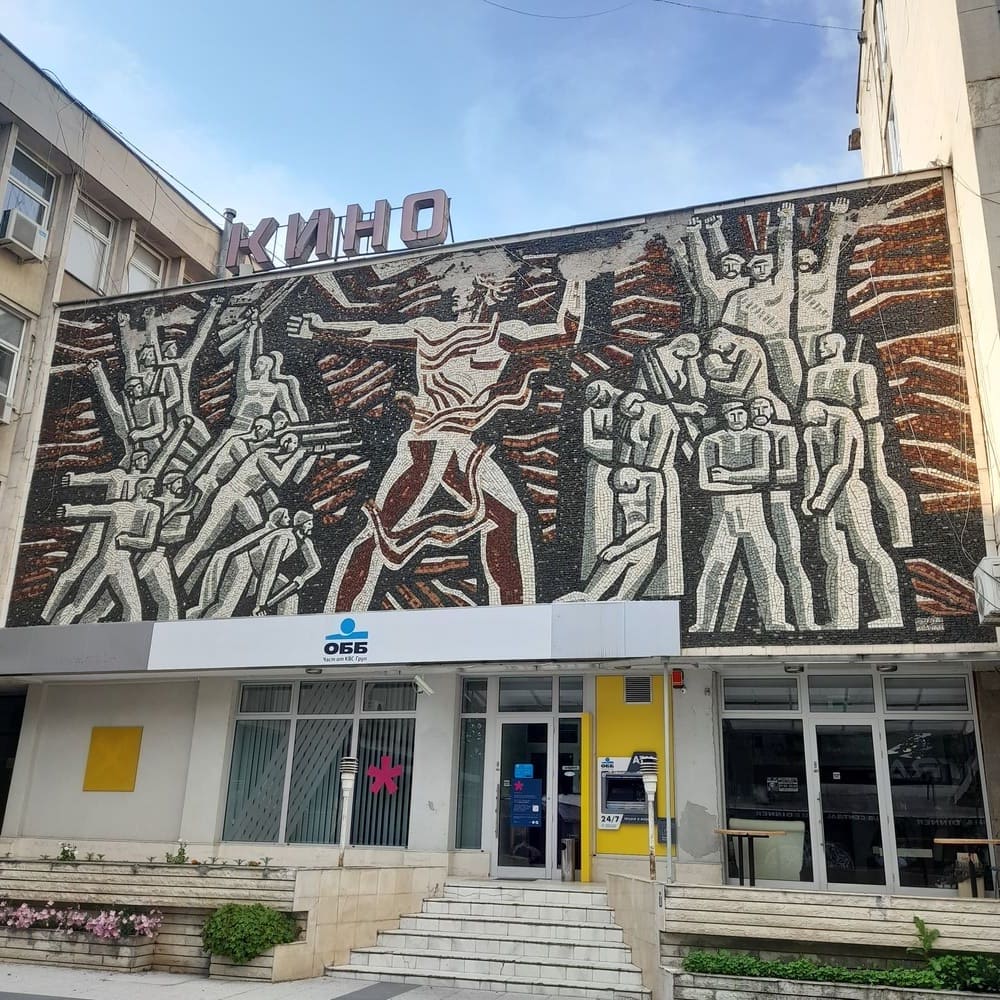
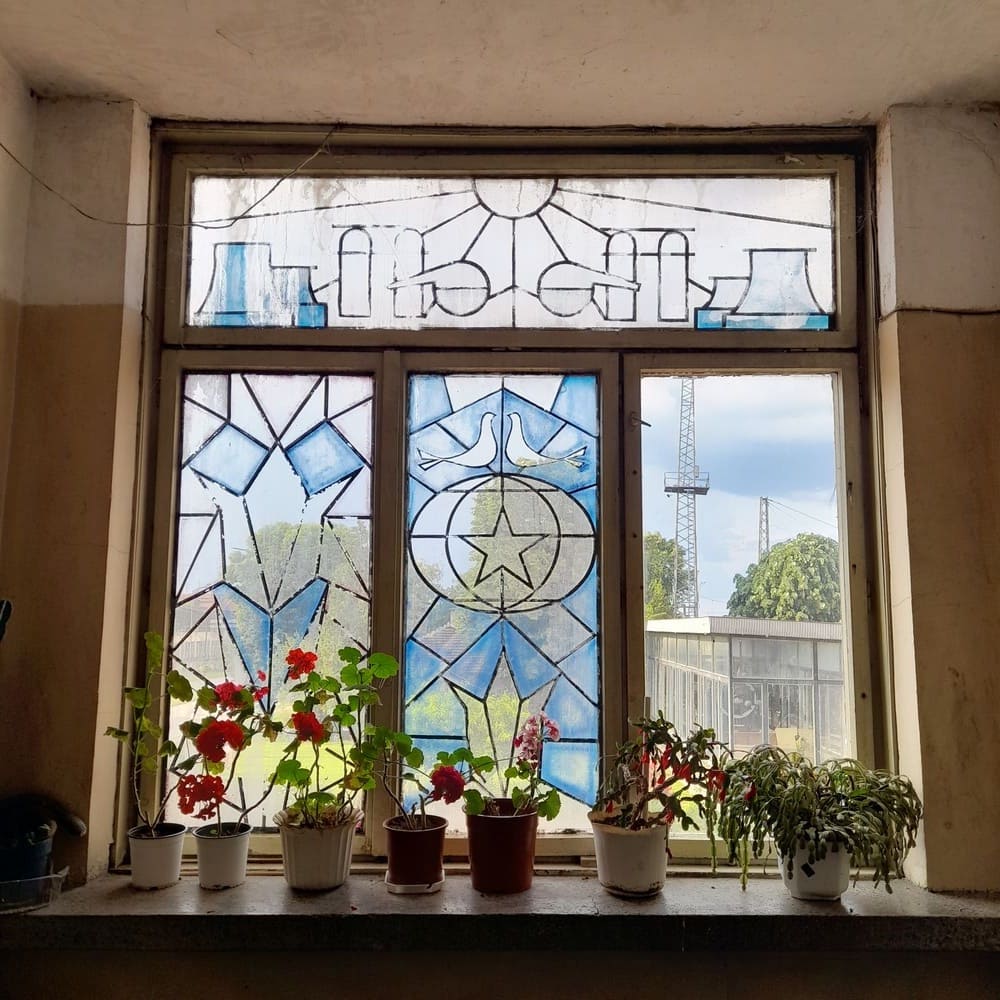
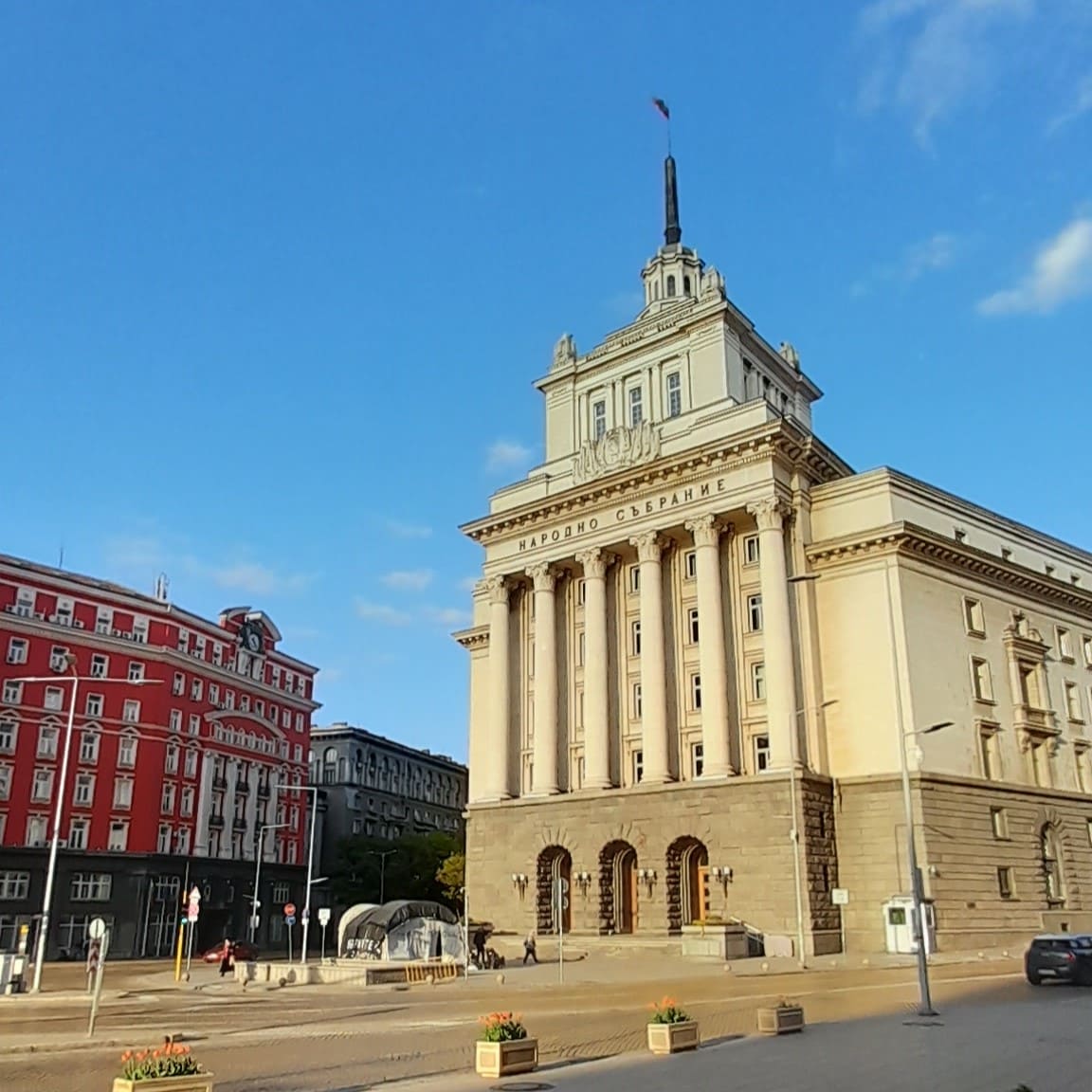
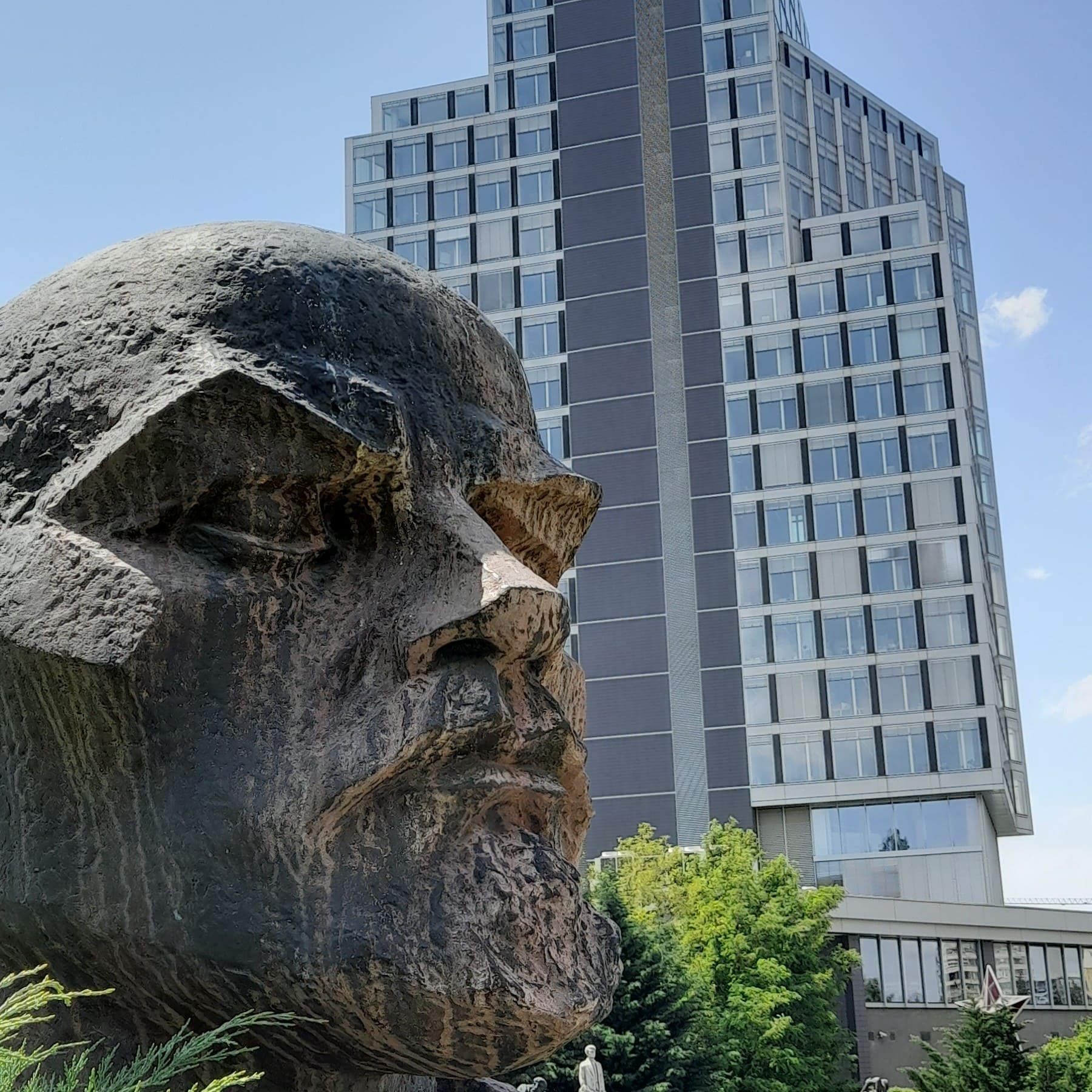
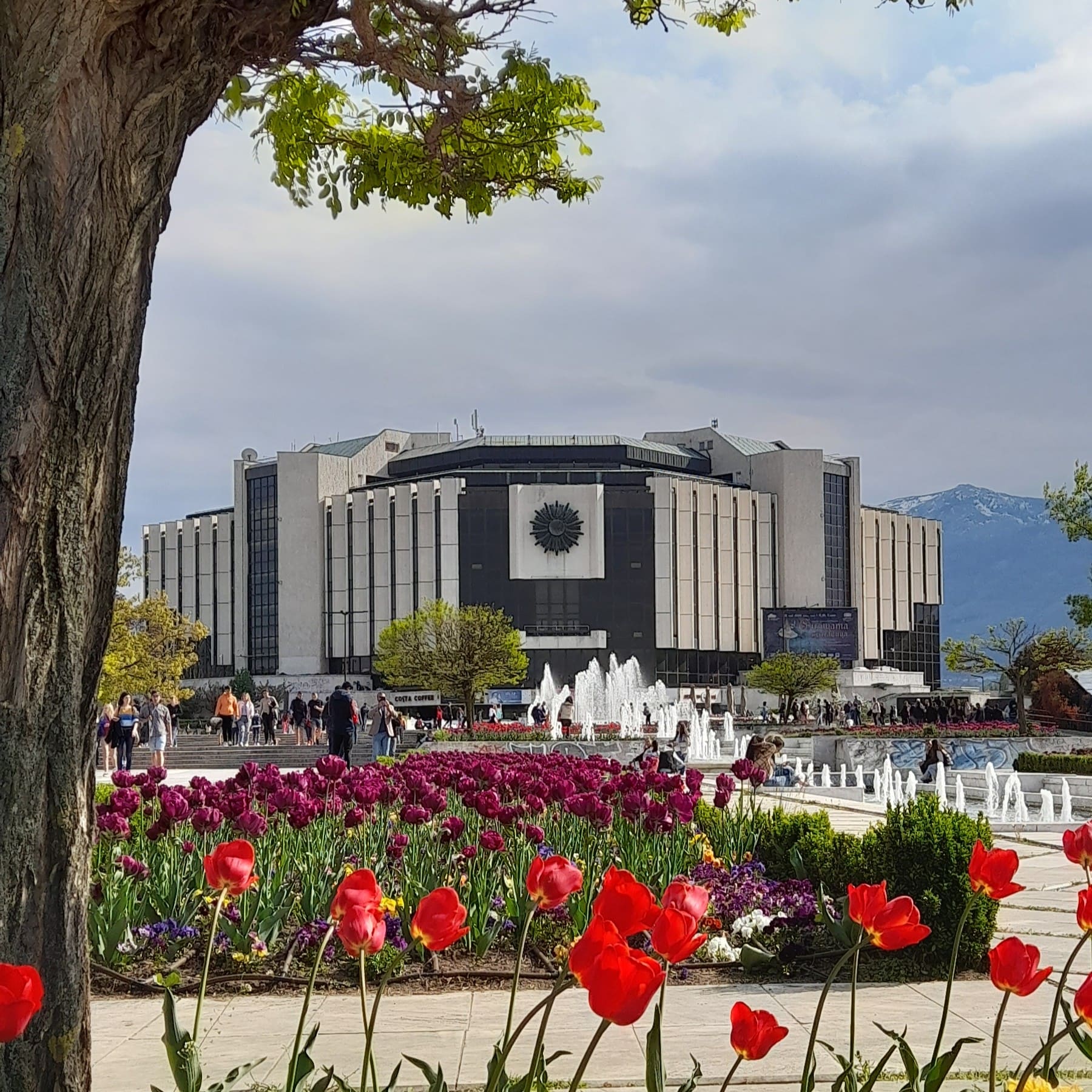
Sofia, the Bulgarian capital, offers visitors a fascinating journey through time with its architectural and cultural heritage from the communist era (1944–1989).
During this period, Sofia was transformed through large-scale urban projects and iconic buildings that reflect socialist ideology and the typical brutalist style. As you walk through the city, you’ll encounter several key sites that bear witness to that time.
Exploring Sofia through the lens of communism also means understanding how this era shaped the city’s urban and social landscape. Today, these places—sometimes controversial—have become fascinating historical landmarks that attract history buffs, architecture enthusiasts, and fans of alternative culture.
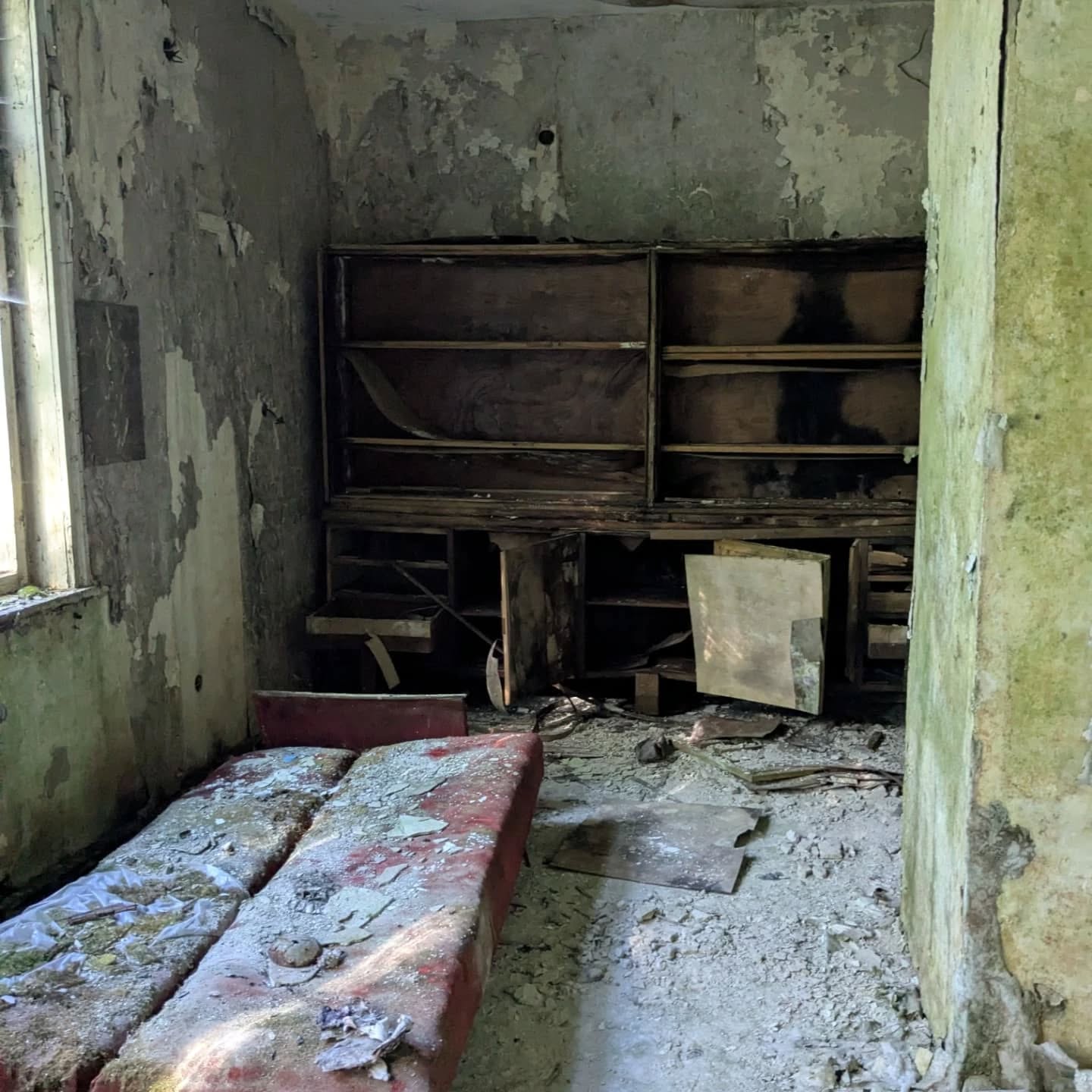
Abandoned Socialist Landmarks
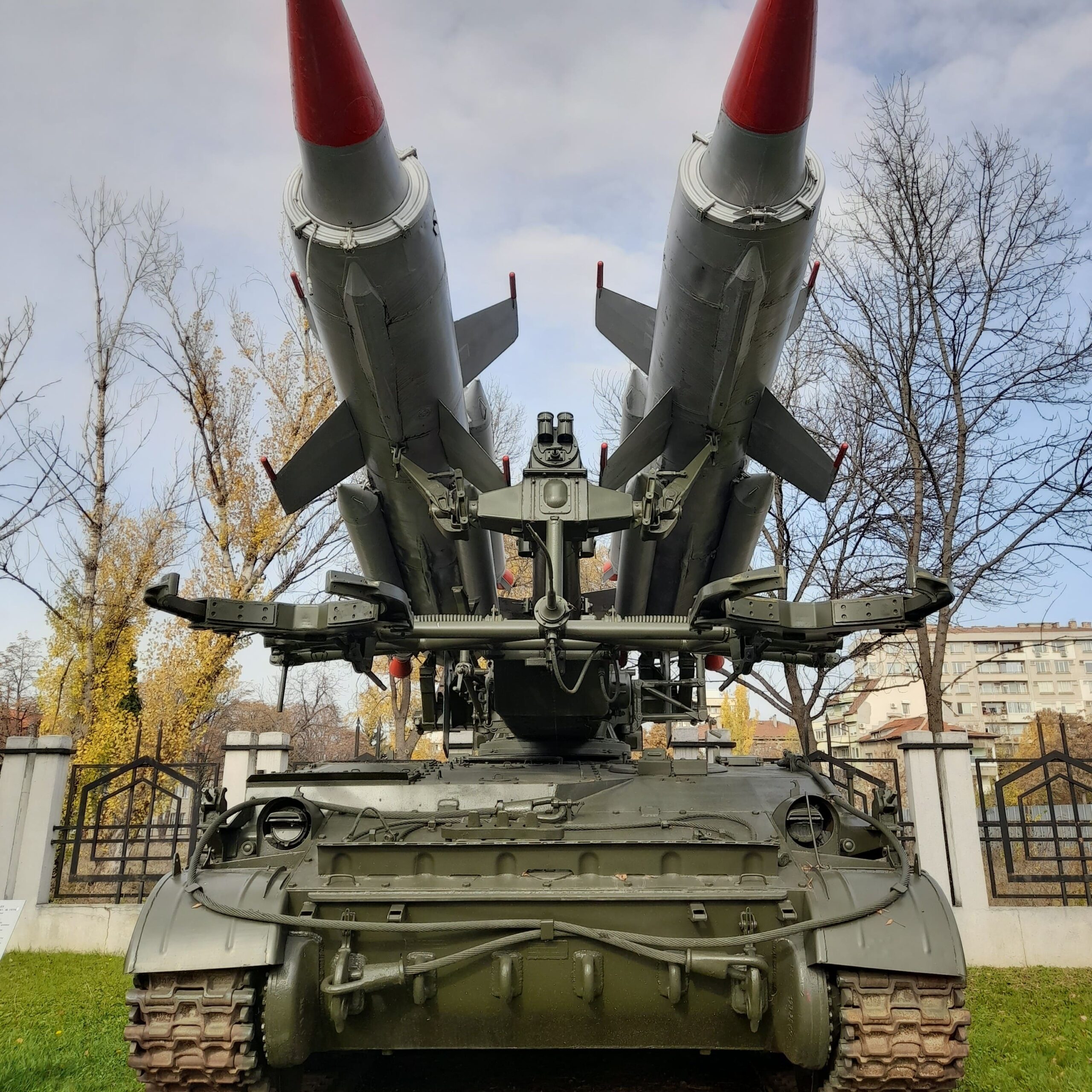
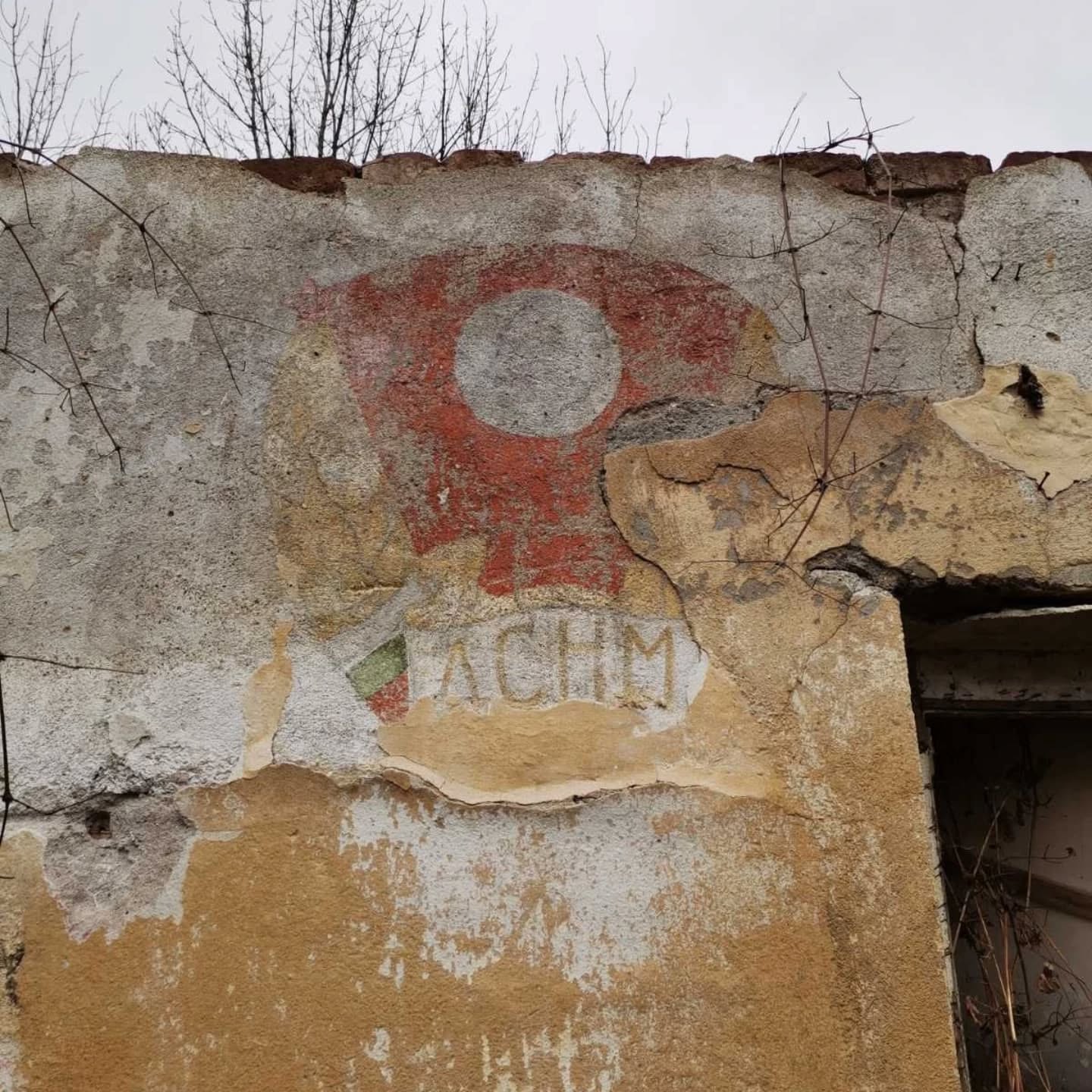
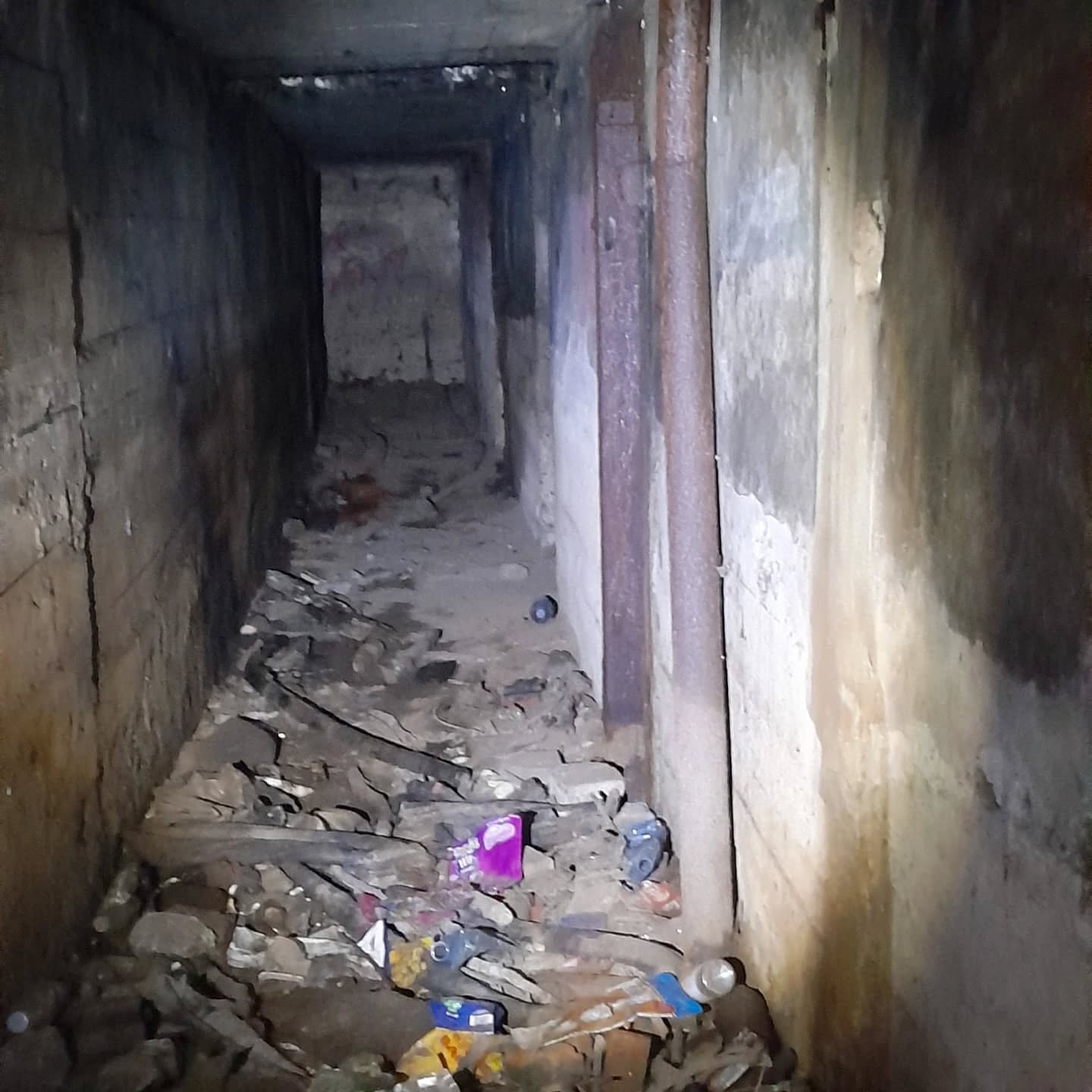
Discover a different side of Sofia through its abandoned socialist landmarks, where faded grandeur and raw concrete meet layers of history.
These sites—once symbols of power and collective vision—now stand as haunting reminders of Bulgaria’s communist past. Wandering through them offers a unique glimpse into an era of monumental architecture, political ambition, and cultural change.
For adventurous travelers, they are more than ruins; they are atmospheric spaces that tell stories of ideology, resilience, and transformation.

Varna Region
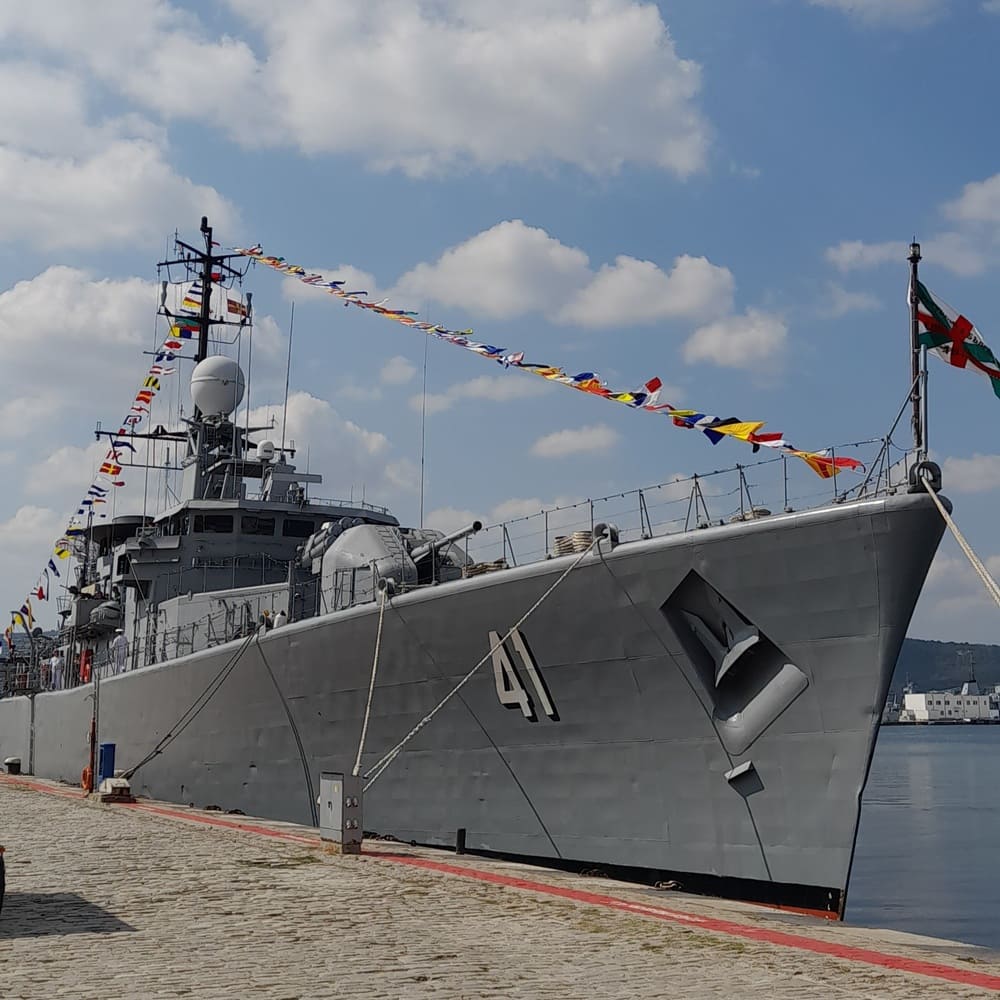
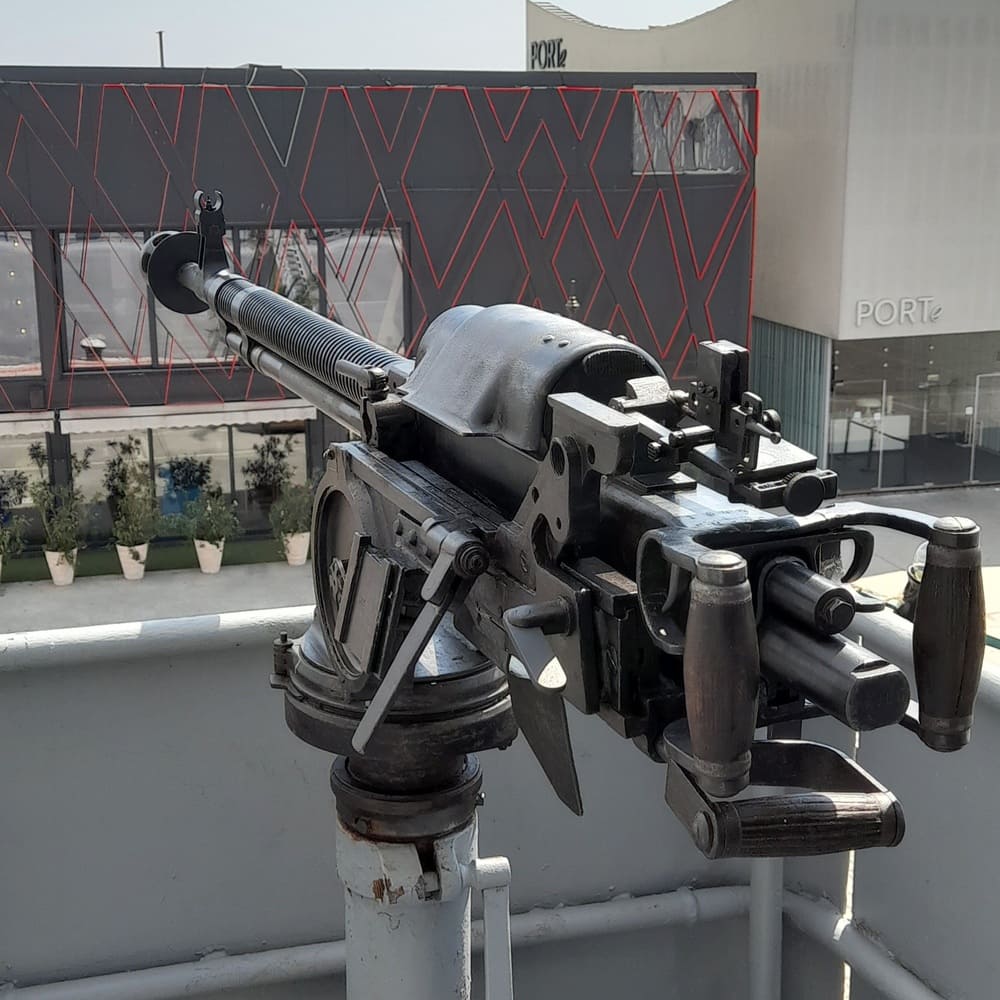
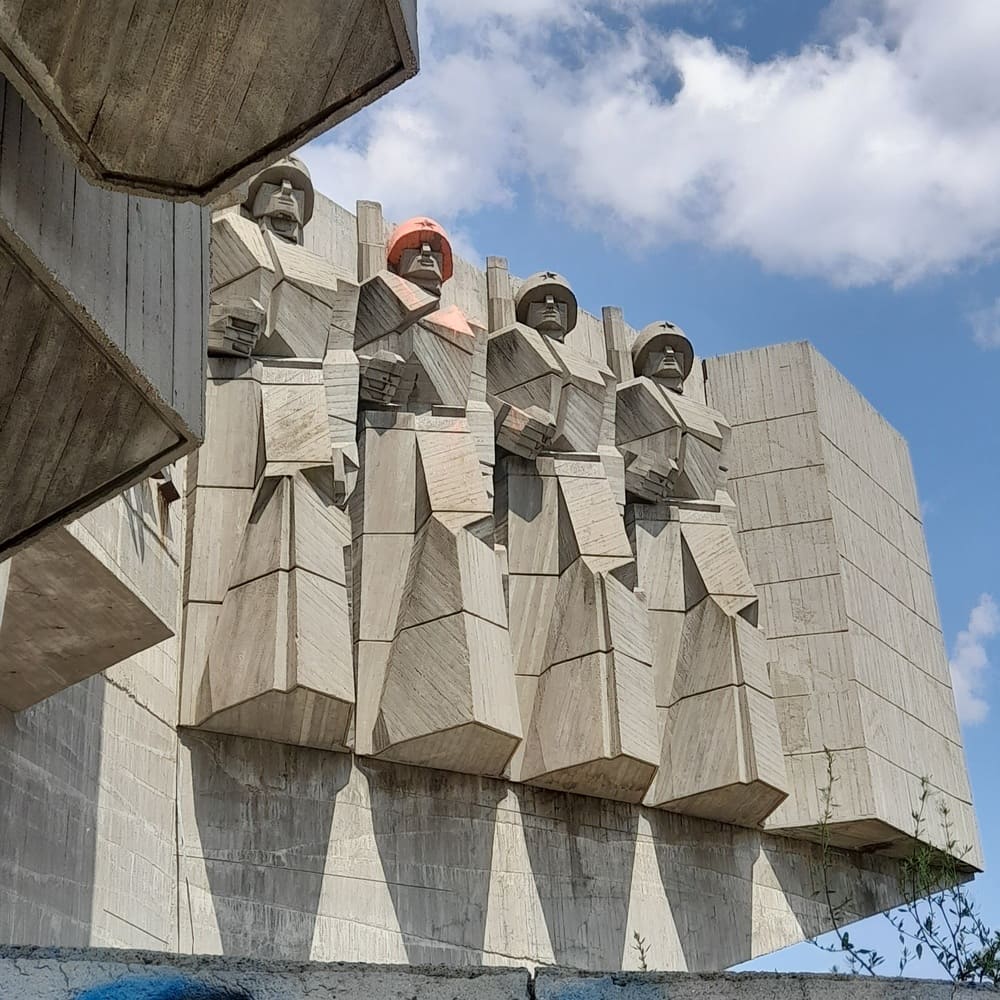
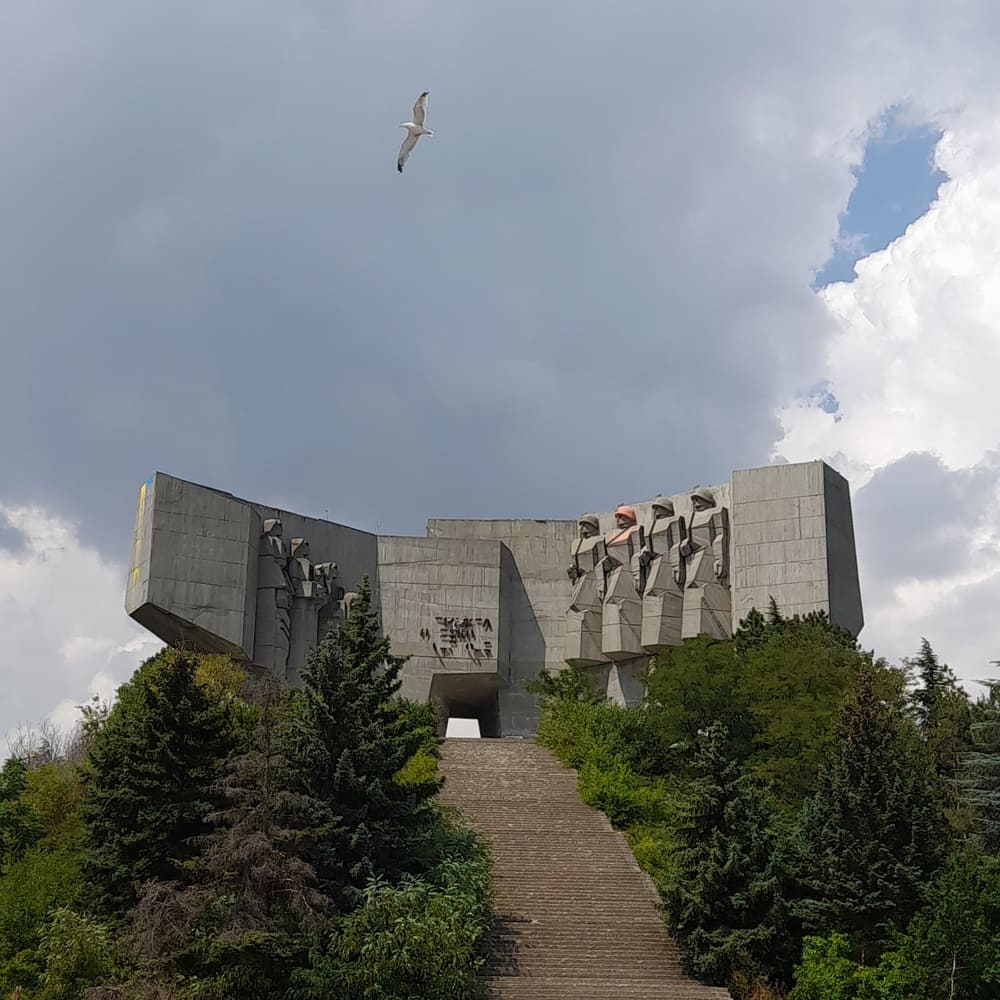
Varna, now a jewel of the Black Sea coast, also bears the imprint of its communist past—most notably through a symbolic name change: between 1949 and 1956, the city was renamed “Stalin” in honor of Soviet leader Joseph Stalin.
This renaming reflects the strong influence of Soviet ideology in Bulgaria at the time and illustrates how Varna was integrated into the communist bloc not only politically, but also symbolically. The “Stalin” period coincided with a time of accelerated industrialization and urban transformation, marked by the construction of large residential complexes and port infrastructure.
Today, although the city has reclaimed the name Varna, this historical episode remains a powerful testament to the impact of the communist regime on the city’s identity and development.
Burgas Region
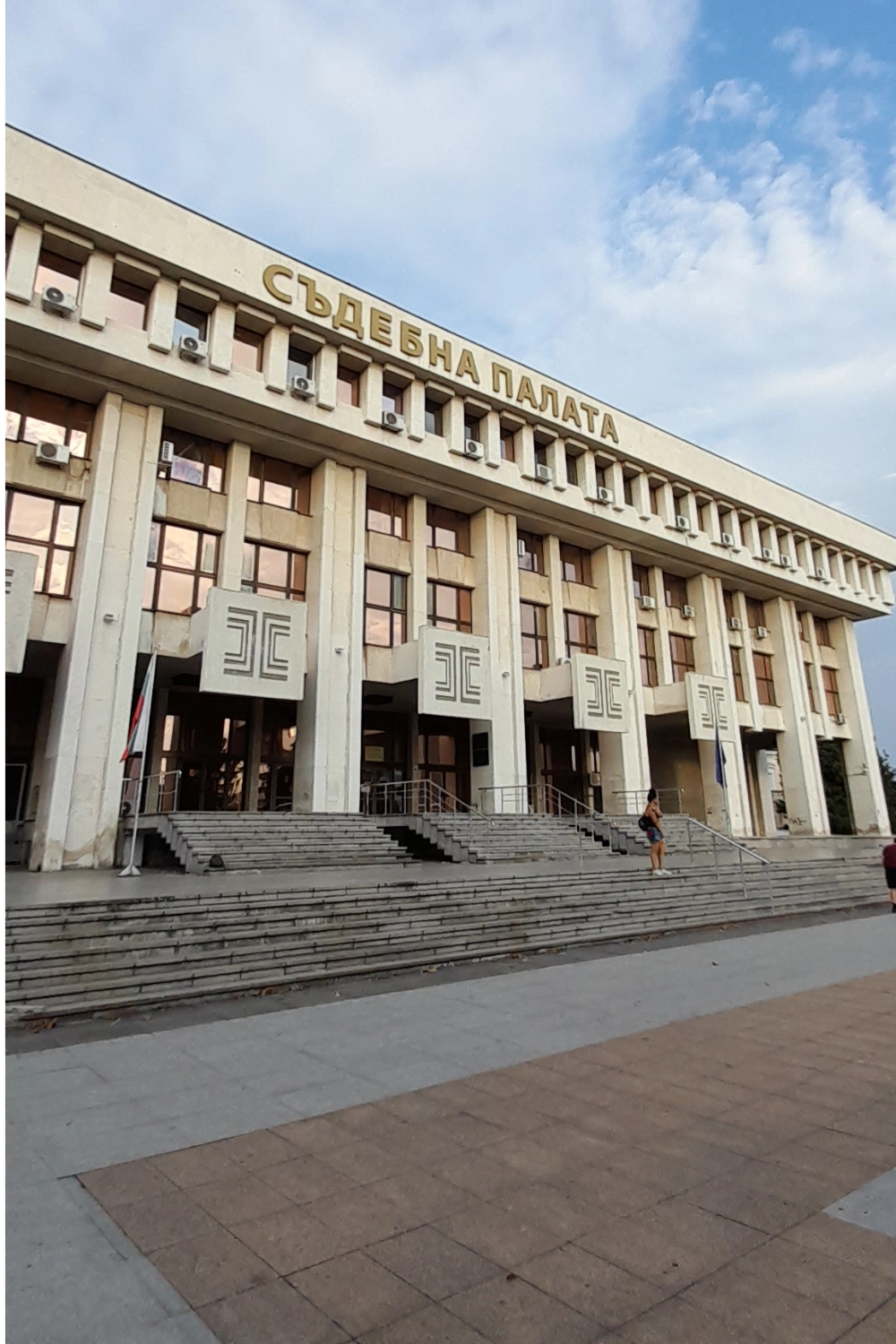
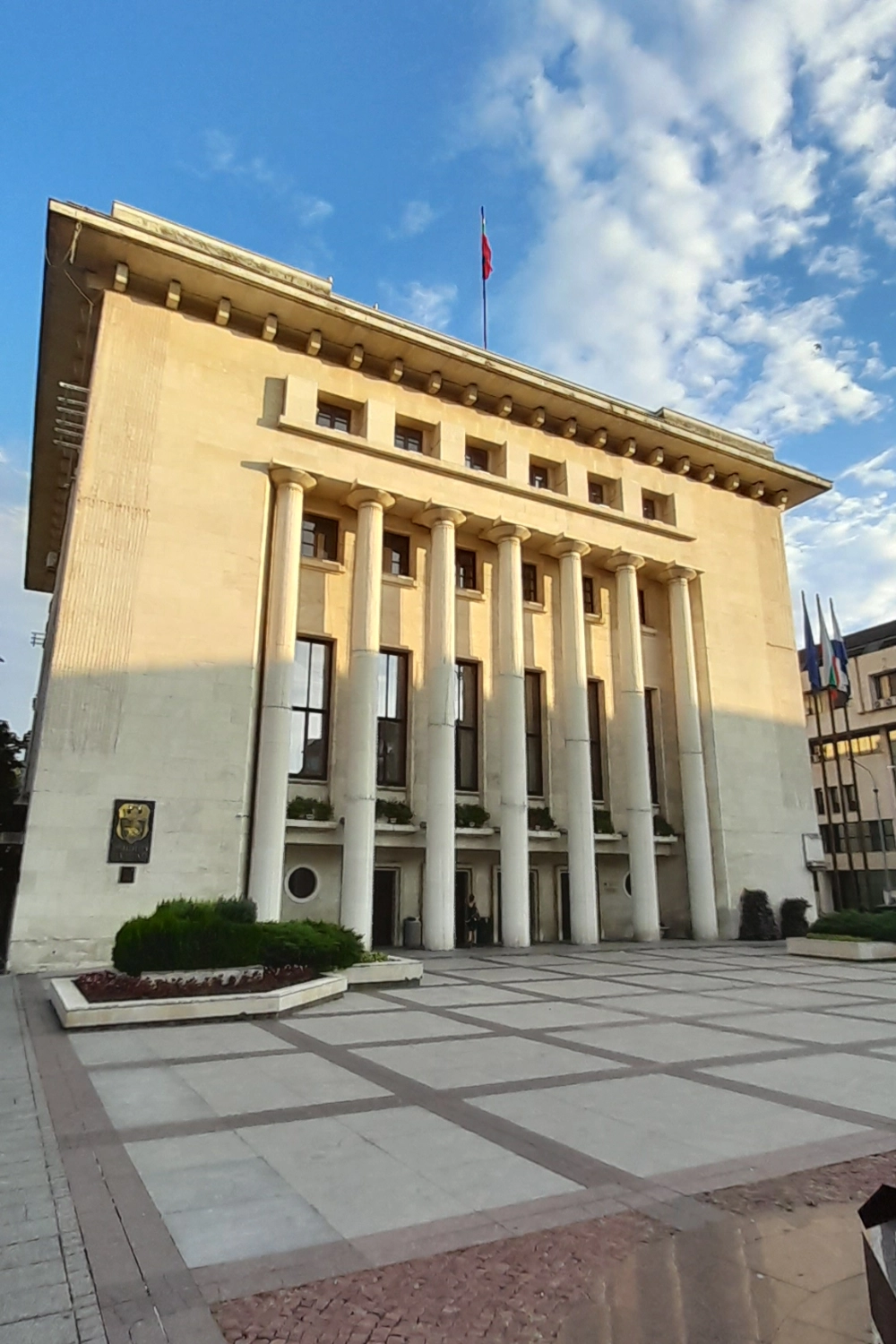
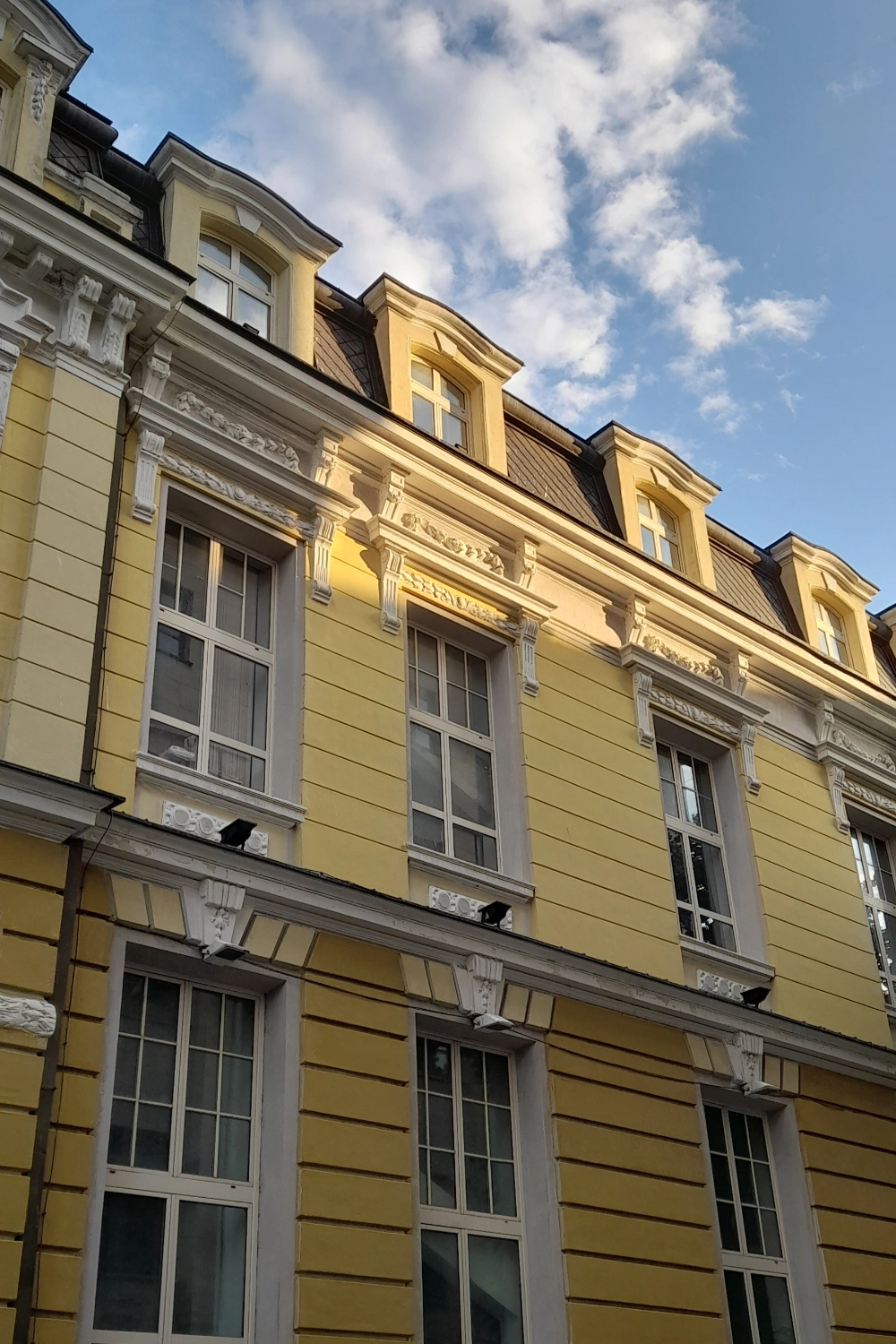
Burgas, a major port and industrial city on Bulgaria’s Black Sea coast, retains a rich heritage from the communist period (1944–1989), which profoundly shaped its urban and economic development.
During the socialist era, Burgas emerged as a key industrial center, thanks in particular to its oil refineries, chemical plants, and strategic port. This transformation left a visible mark on many aspects of the city.
Unlike Varna, Burgas did not undergo a symbolic name change during the communist period, but its industrial and urban expansion remains a strong indicator of that era. Exploring Burgas from this perspective offers an immersive experience of socialist Bulgaria—one shaped by heavy industry, large-scale urban planning, and working-class culture.
Veliko Tarnovo Region
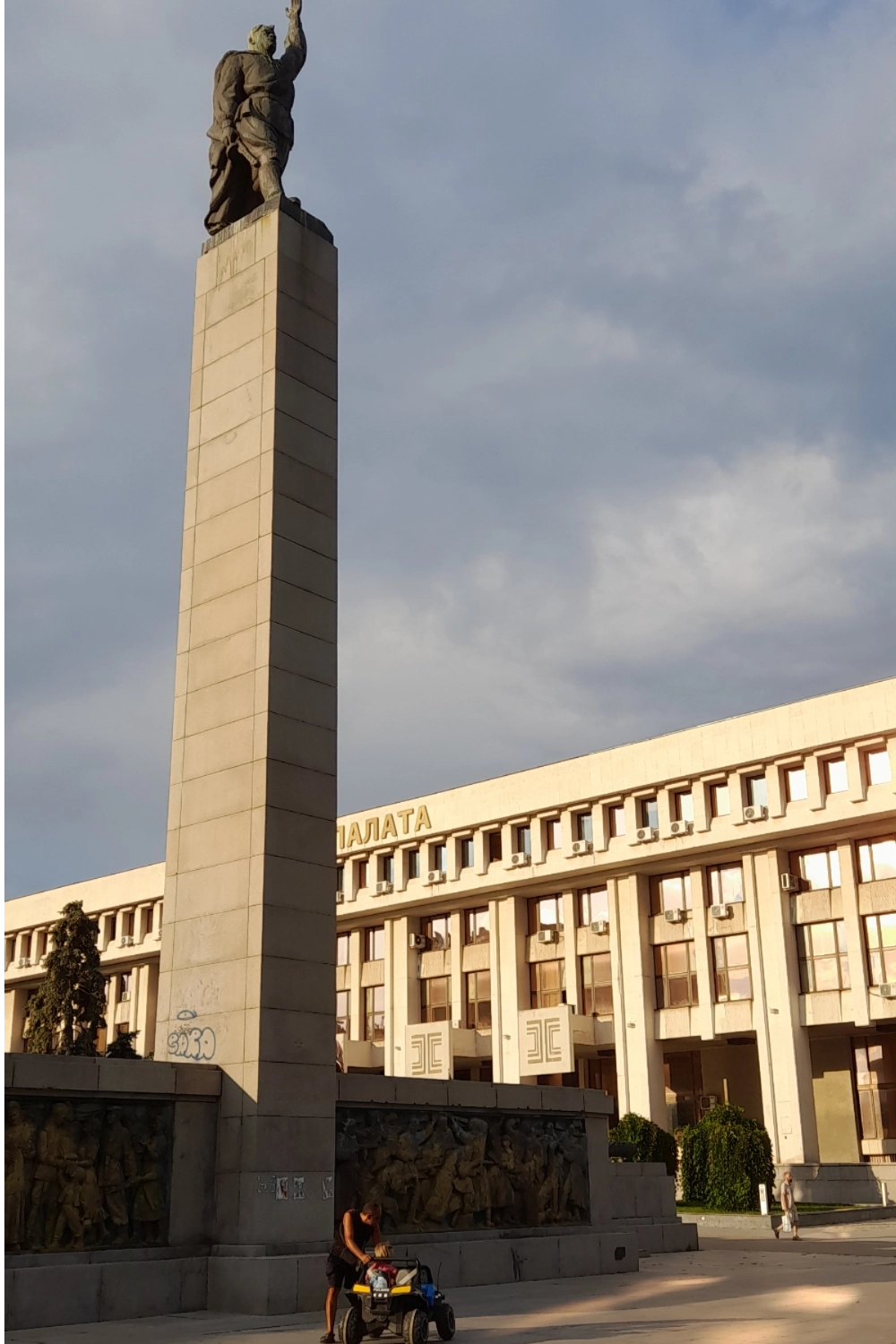
Veliko Tarnovo, the former medieval capital of Bulgaria, is best known for its rich historical and architectural heritage. However, it also carries the imprint of the communist period (1944–1989), which influenced its urban and cultural development.
During the socialist era, Veliko Tarnovo underwent several transformations, particularly in terms of infrastructure and urban planning, although much of its historic charm was preserved.
While Veliko Tarnovo is primarily celebrated for its spectacular medieval heritage, its communist legacy offers an insightful perspective on 20th-century Bulgaria—caught between tradition and state-imposed modernity. Exploring this facet allows visitors to appreciate the city’s many historical layers.
Haskovo Region
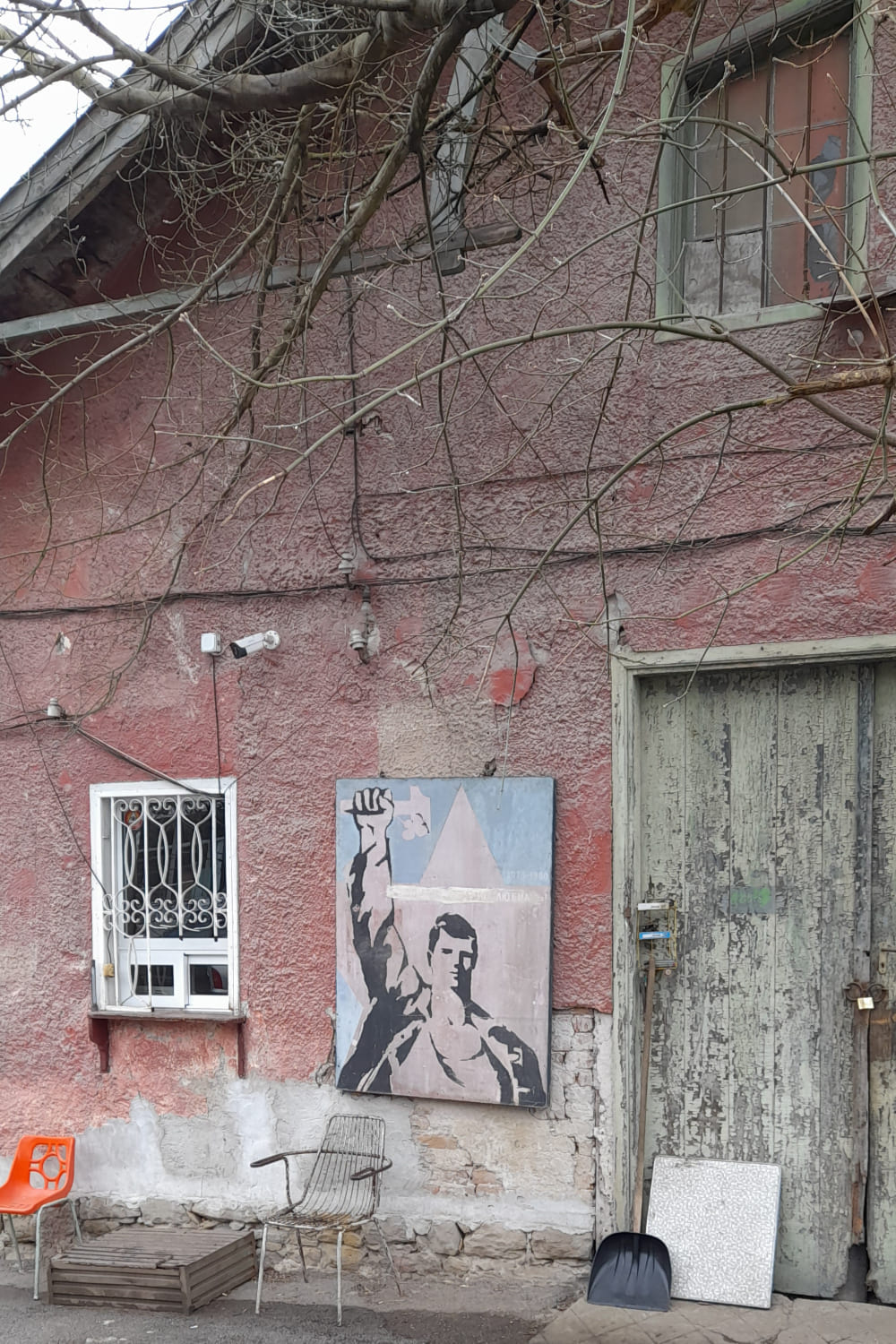
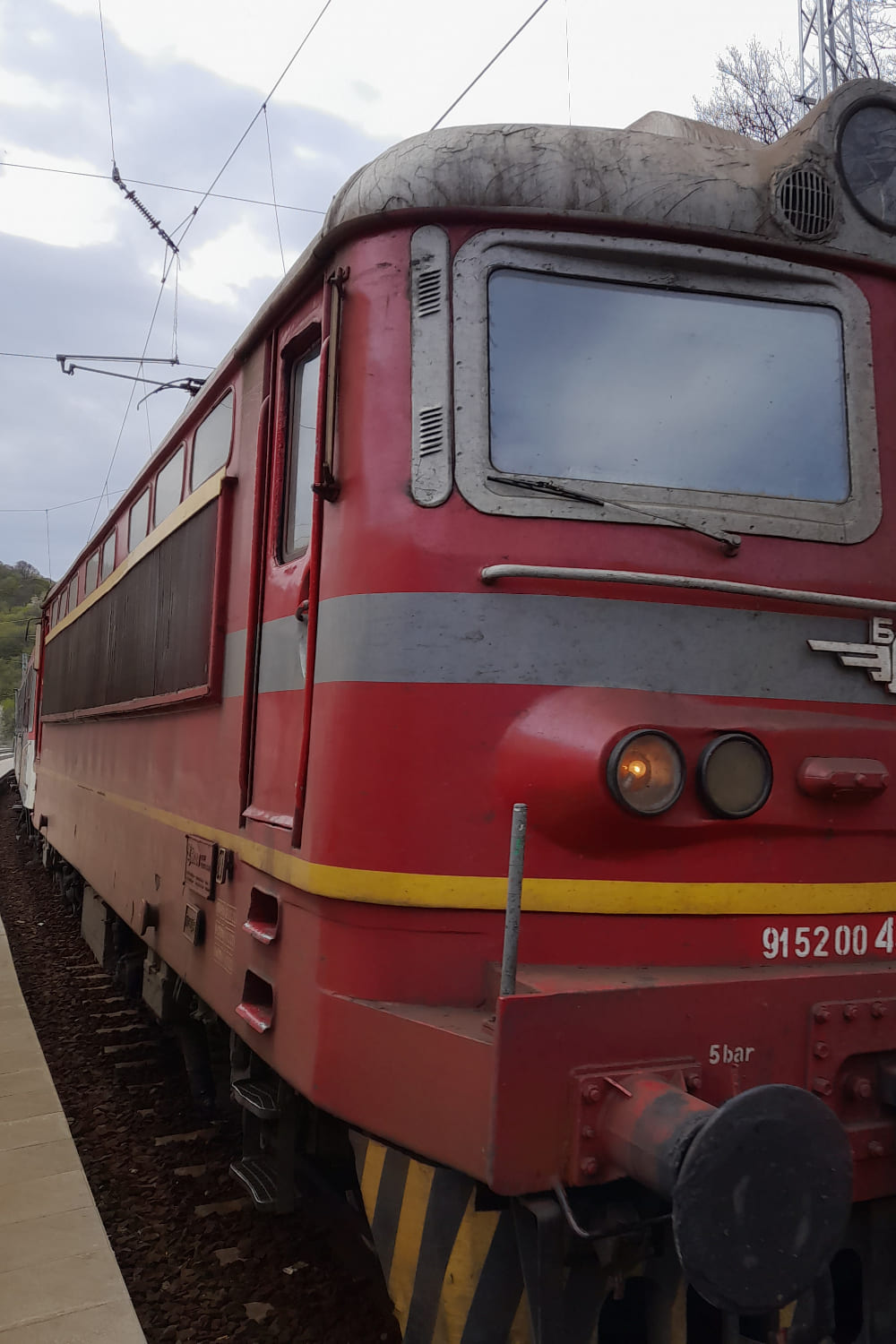
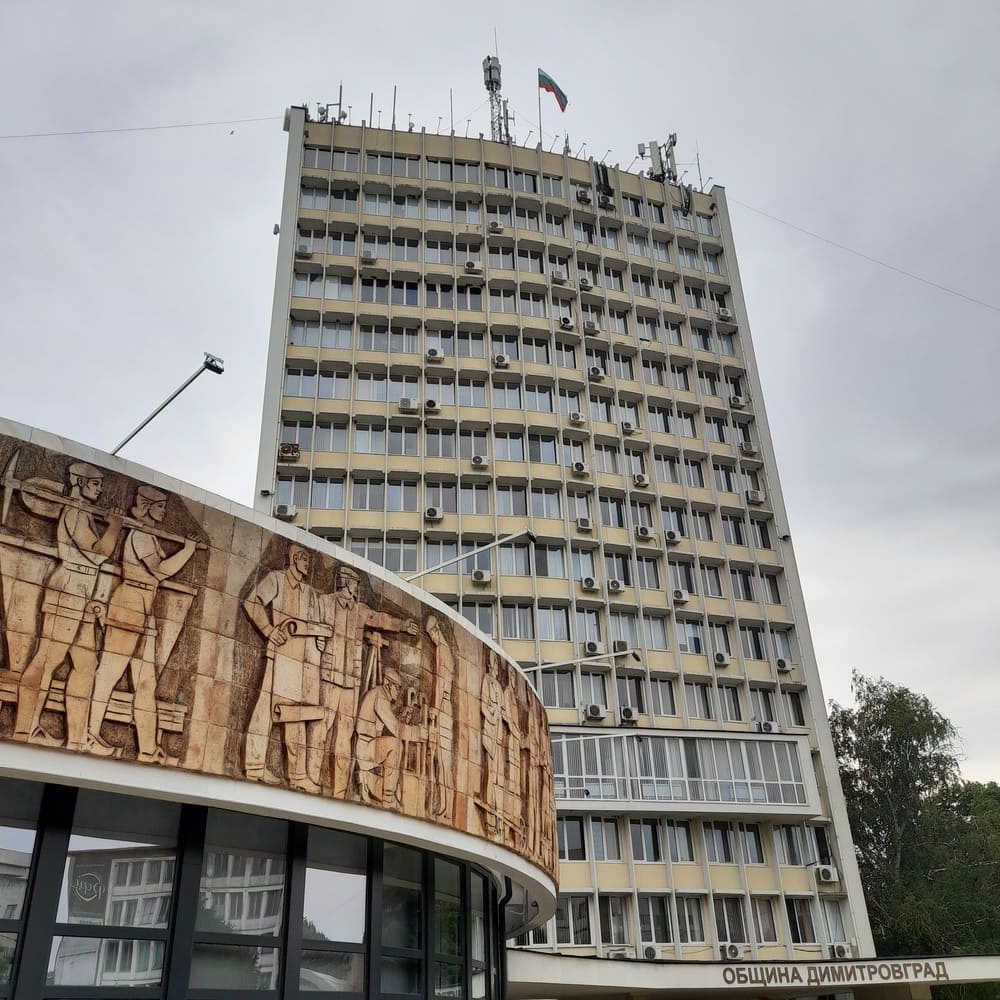
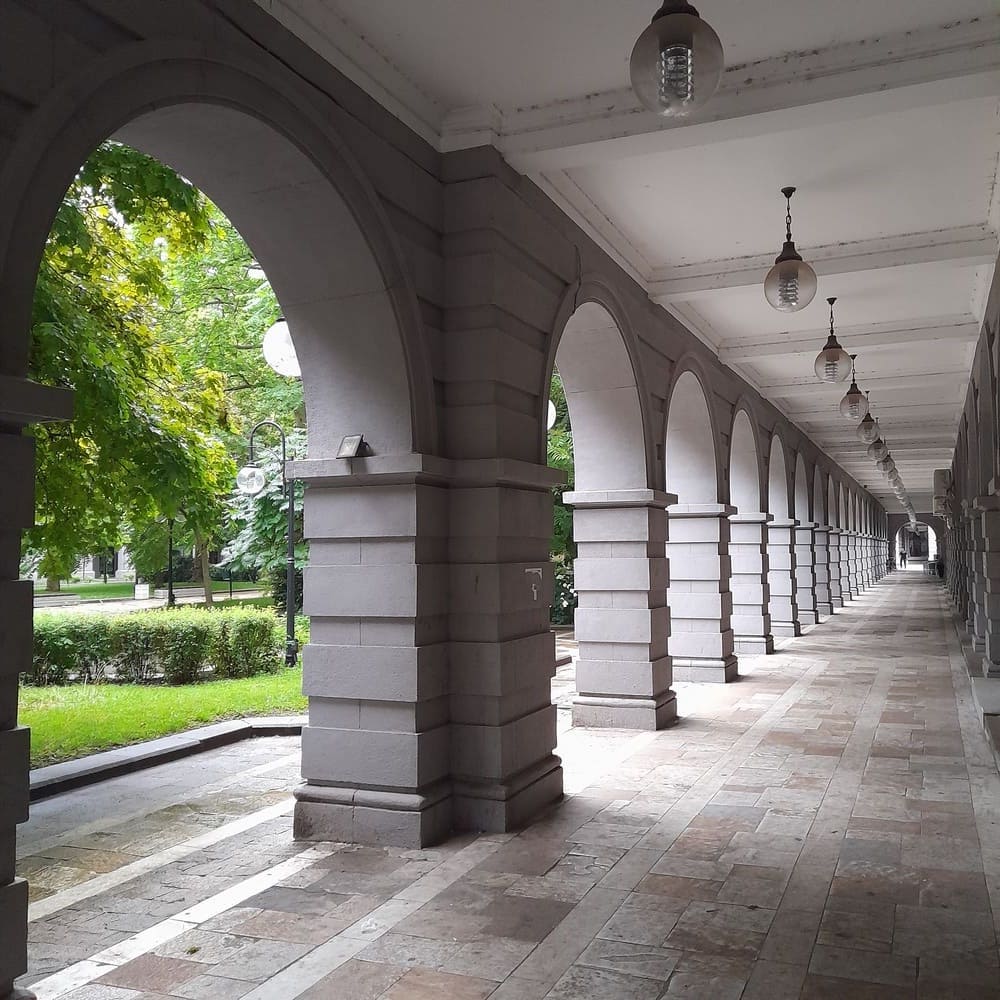
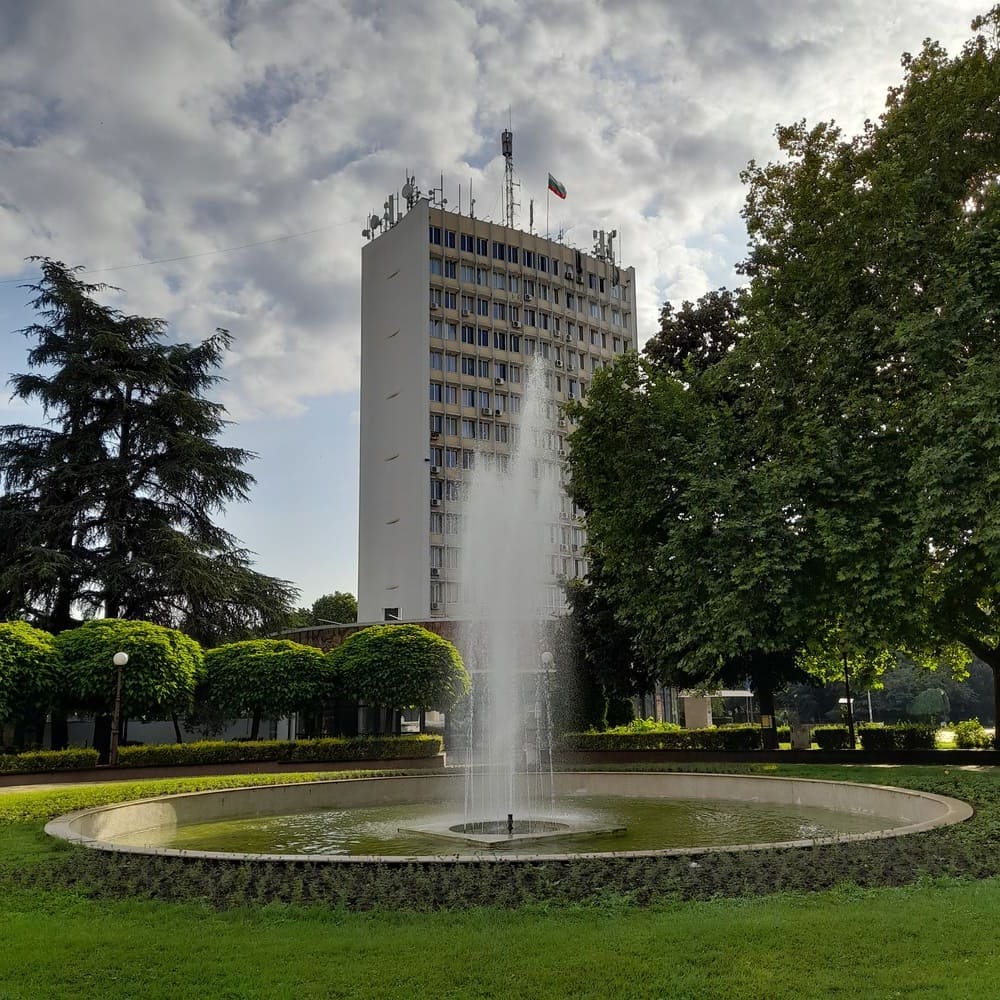
The Haskovo region, located in southeastern Bulgaria, offers a unique perspective on the communist era, particularly through the city of Dimitrovgrad—an emblematic example of socialist urban planning and ideology.
Founded in 1947, Dimitrovgrad was a city built from scratch under the communist regime, designed to serve as a model of the modern socialist city. Named in honor of Georgi Dimitrov, a key figure in Bulgarian communism, it perfectly illustrates the socialist urban utopia.
Visiting Dimitrovgrad and the Haskovo region is therefore a dive into a vivid and tangible chapter of Bulgaria’s communist history, where urban planning, ideology, and daily life intertwine to offer a truly unique experience.
Kazanlak Region
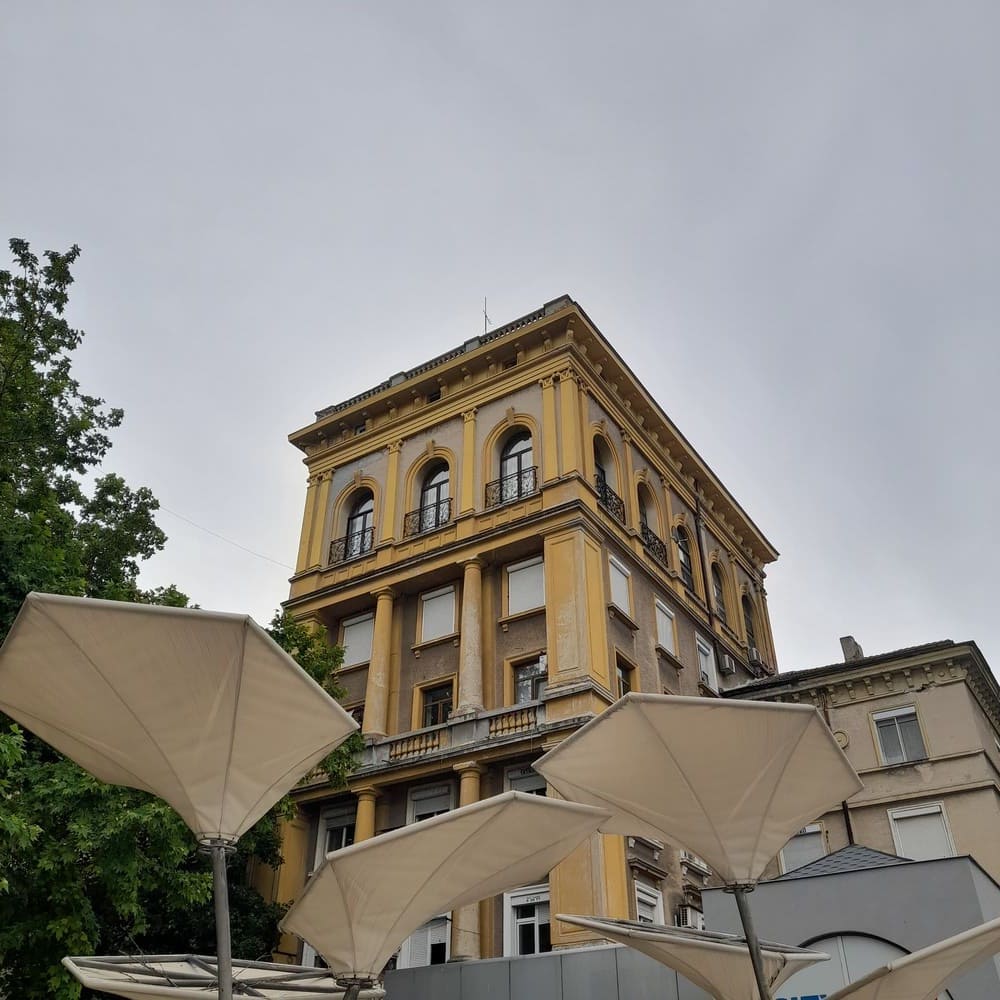
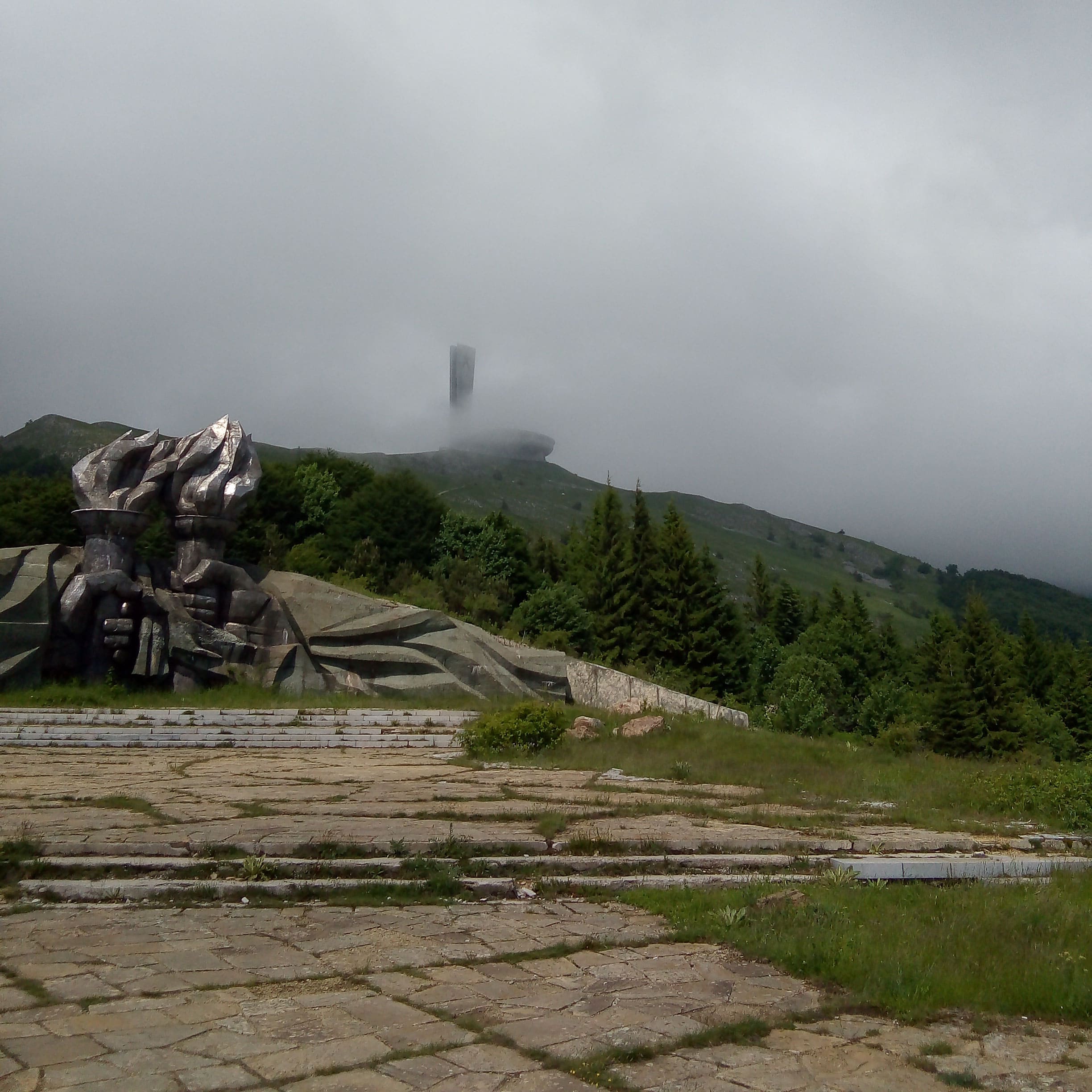
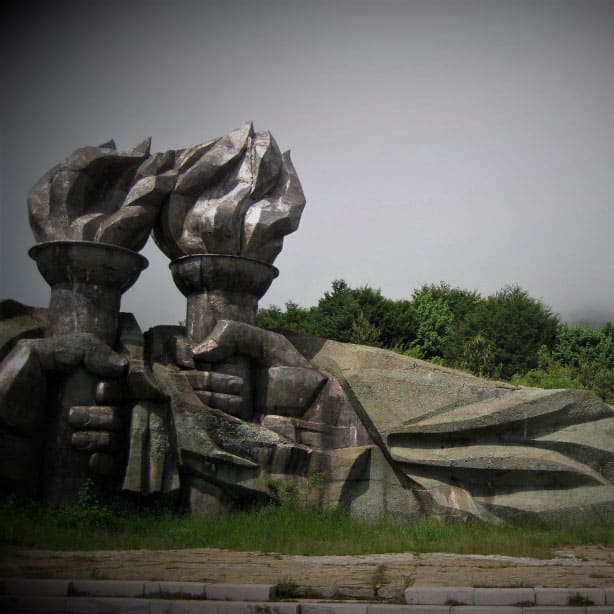
Kazanlak, located in Bulgaria’s Rose Valley, is not only famous for its rose oil tradition but also for its connection to the country’s communist history—most notably through the nearby, spectacular Buzludzha Monument.
The Buzludzha Monument, built between 1974 and 1981, is one of the most striking and iconic symbols of Bulgaria’s communist era. Perched atop Mount Buzludzha, this massive UFO-shaped structure was designed to celebrate the Bulgarian Communist Party and its ideals.
Visiting Kazanlak and the Buzludzha Monument offers a dual experience: discovering the natural and cultural beauty of the Rose Valley while also exploring a major and fascinating symbol of Bulgaria’s communist past.
Karlovo Region
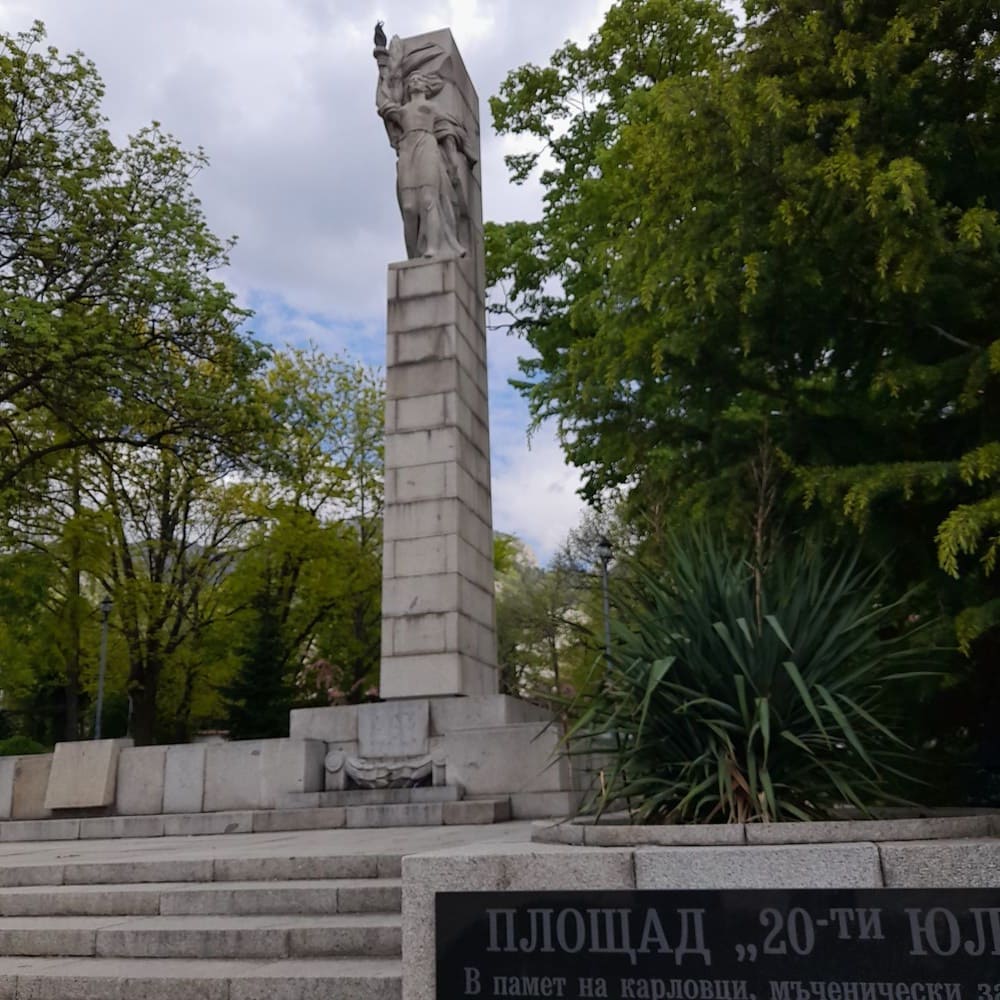
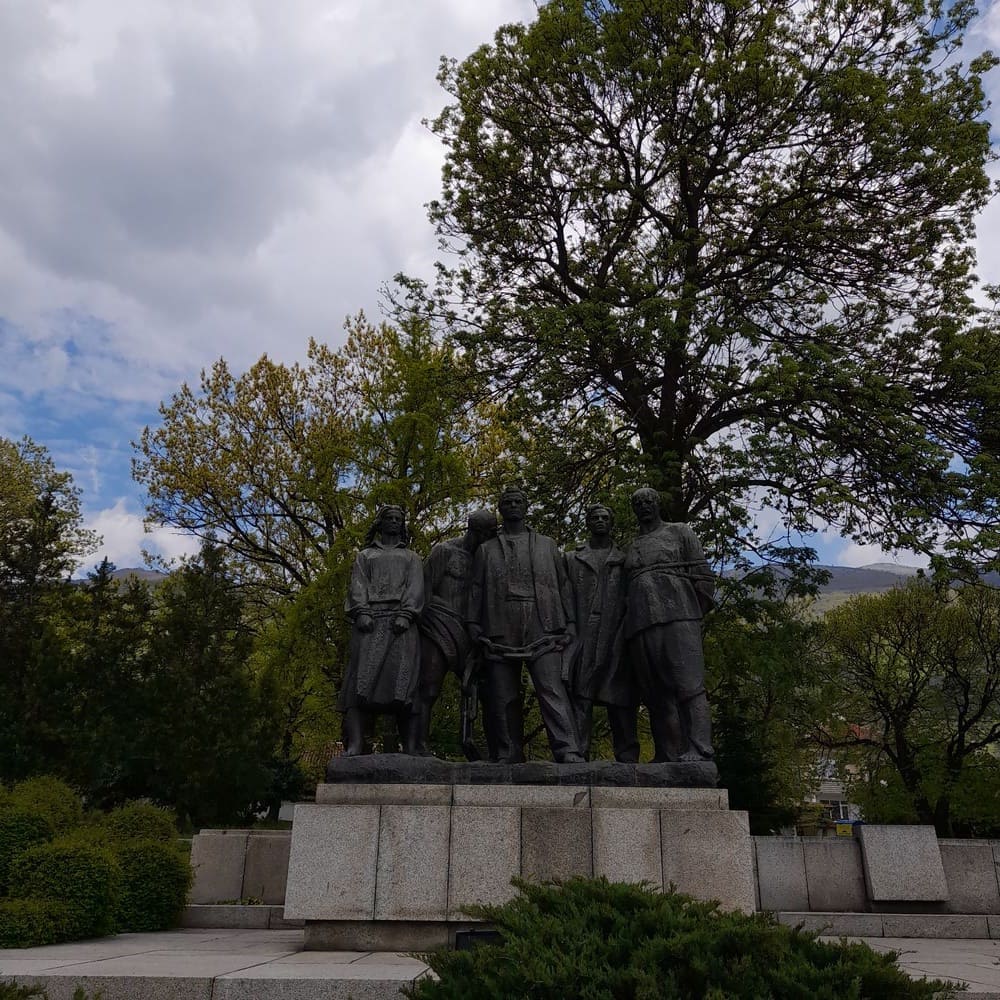
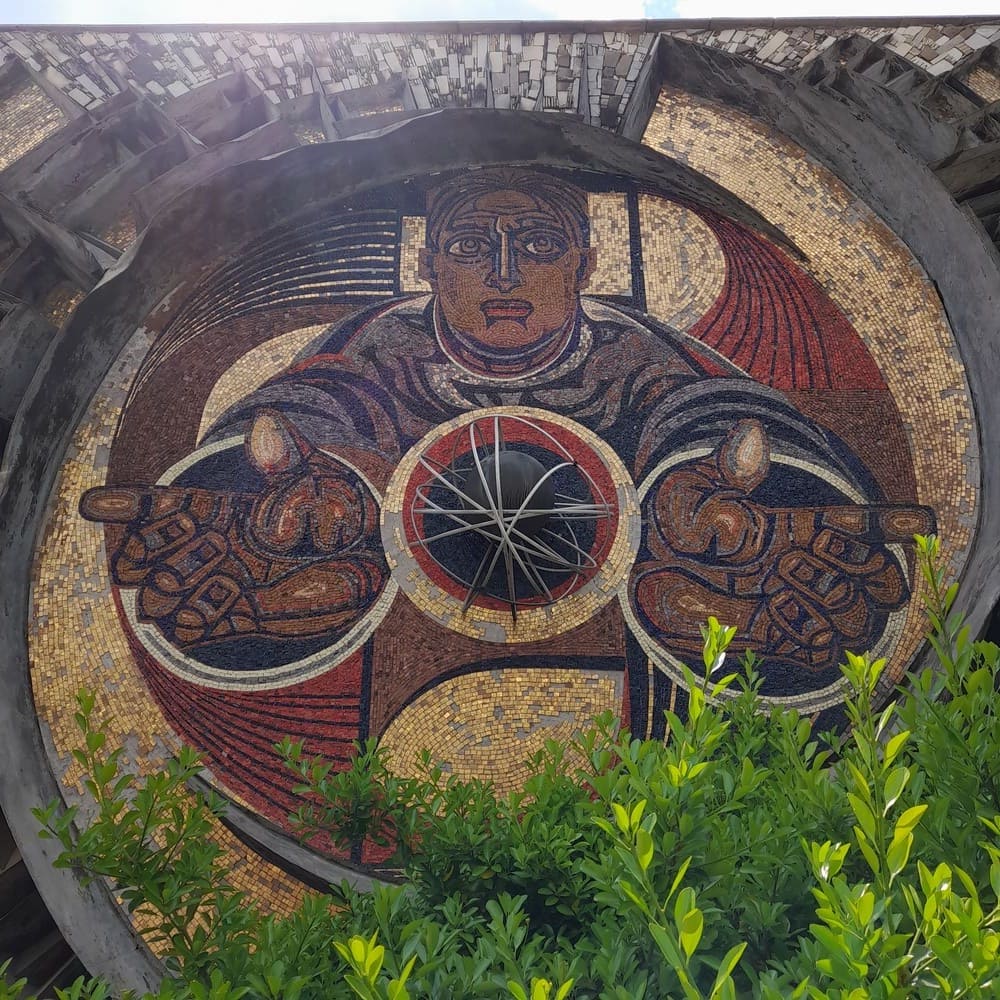
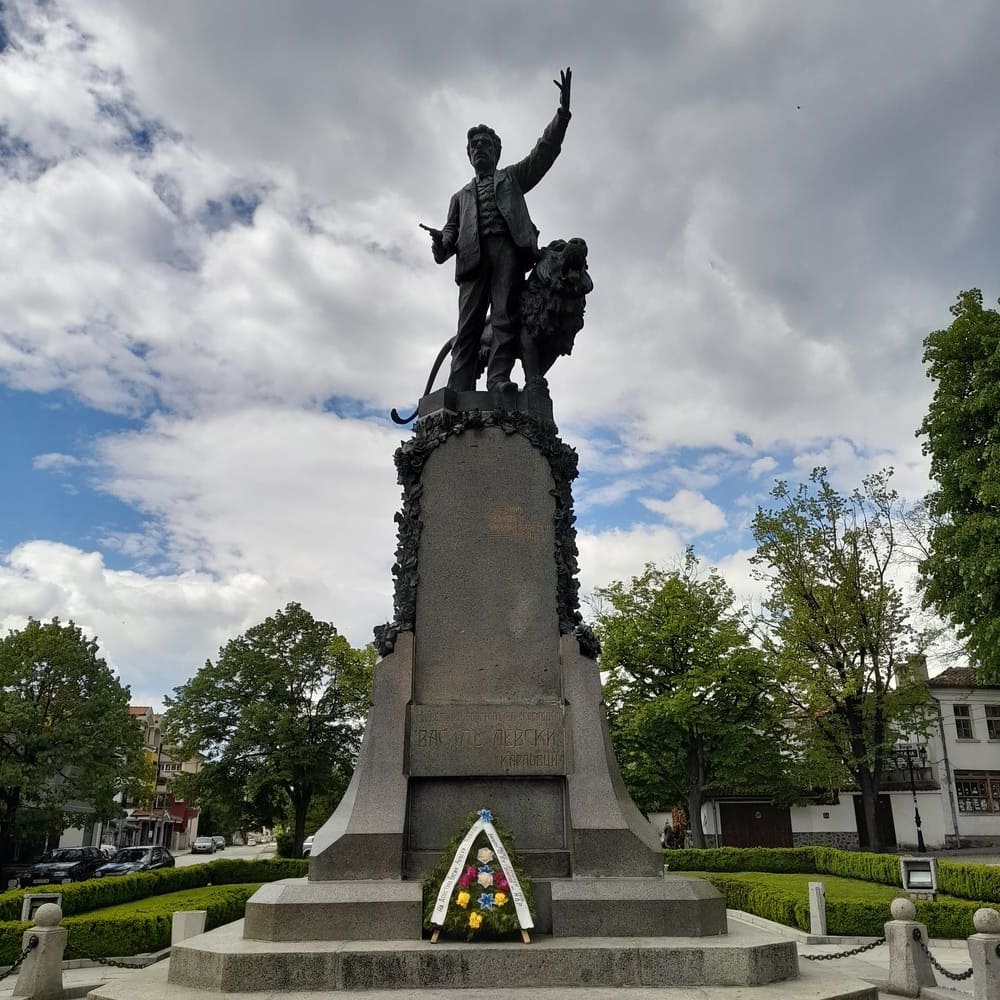
Karlovo, located in Bulgaria’s Rose Valley, is known as the birthplace of national hero Vasil Levski, but it also preserves an intriguing heritage from the communist period—most notably through a remarkable piece of public art: the Atom Fresco.
During the communist era, Karlovo, like many Bulgarian towns, experienced a rise in cultural and artistic initiatives inspired by socialist ideals, often celebrating scientific and technological progress. The Atom Fresco is a striking example of this propaganda-style art.
Exploring Karlovo and its Atom Fresco is thus an immersion into a time when art, science, and ideology merged to project a vision of a bright and controlled future.
Pleven Region
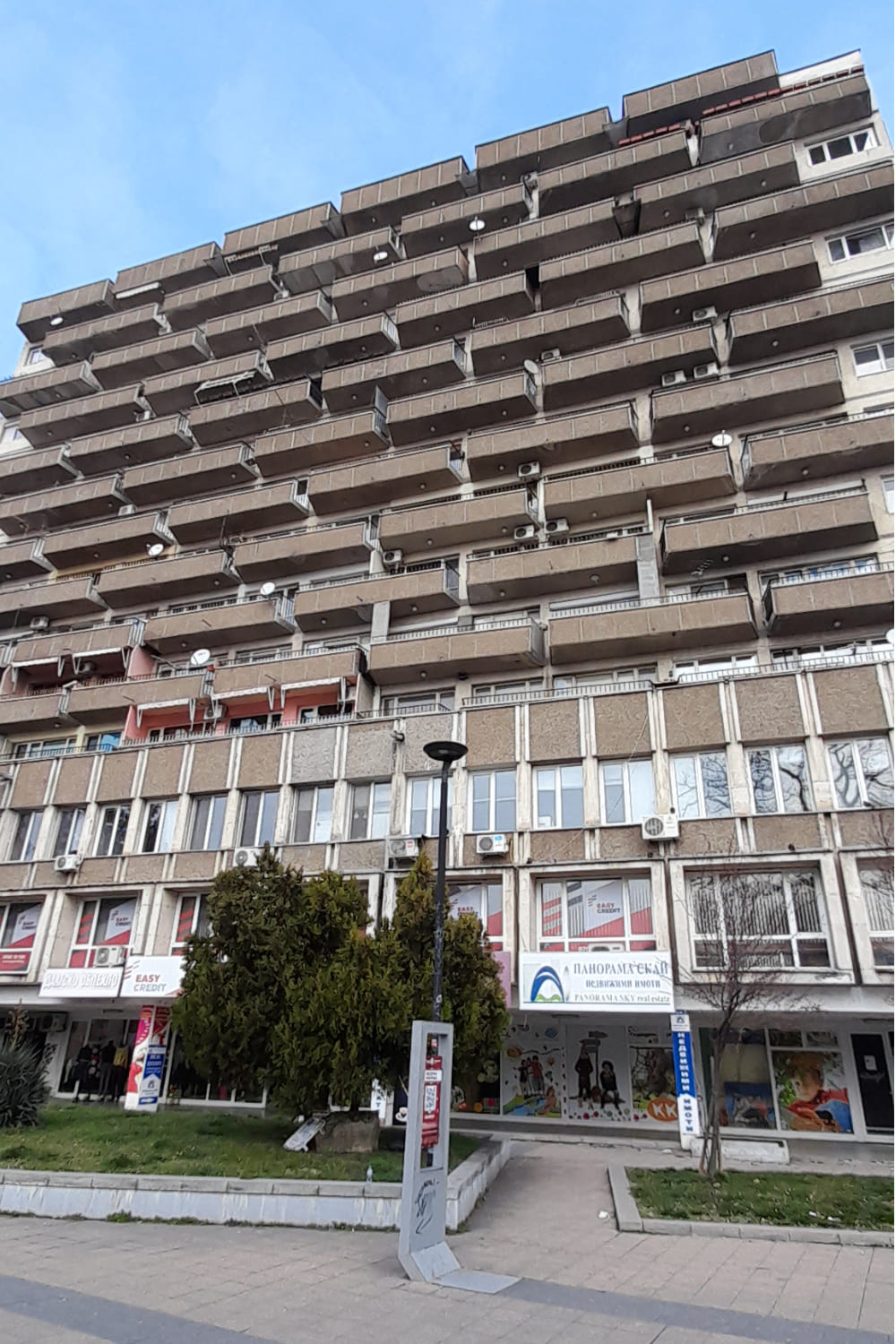
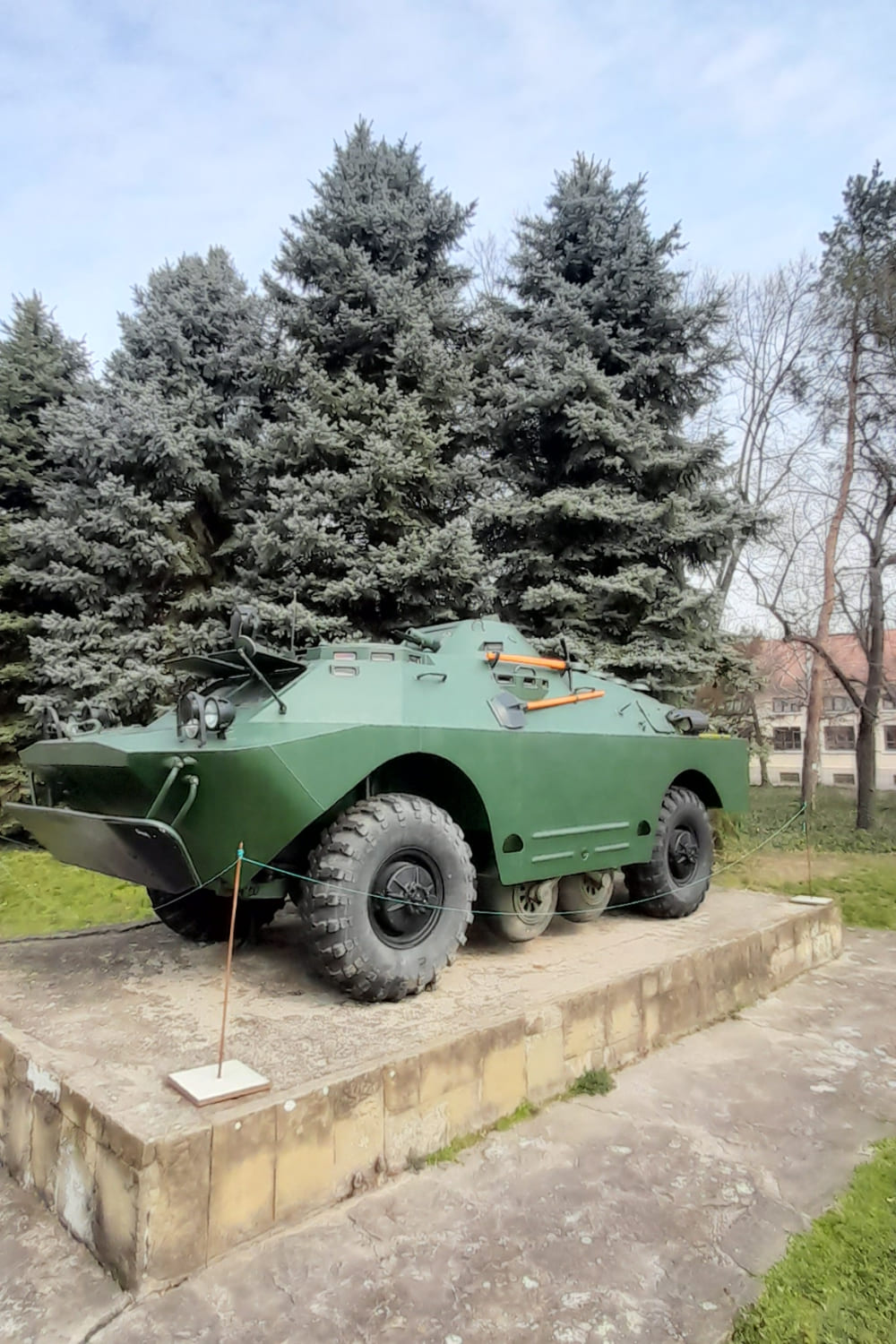
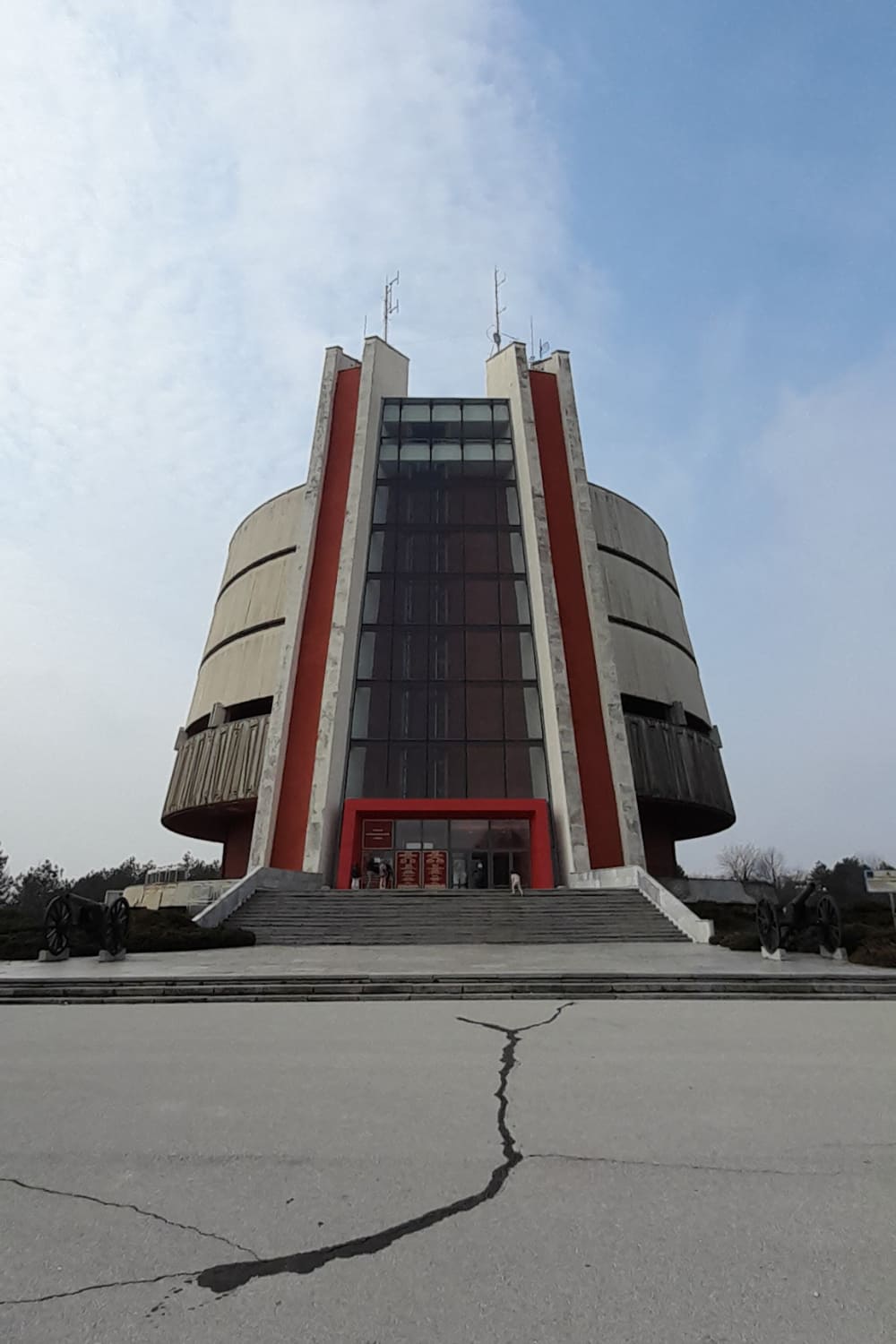
Pleven, a historic city in northern Bulgaria, is known for its major role in the Russo-Turkish War of 1877–78, but it also preserves many traces of the communist period (1944–1989), which greatly influenced its urban, industrial, and cultural development.
Under the socialist regime, Pleven experienced significant industrial growth and urban modernization, many aspects of which are still visible today.
Visiting Pleven through the lens of the communist era offers insight into how this period shaped the modern city, balancing historical legacy with industrial transformation.
Pazardjik Region
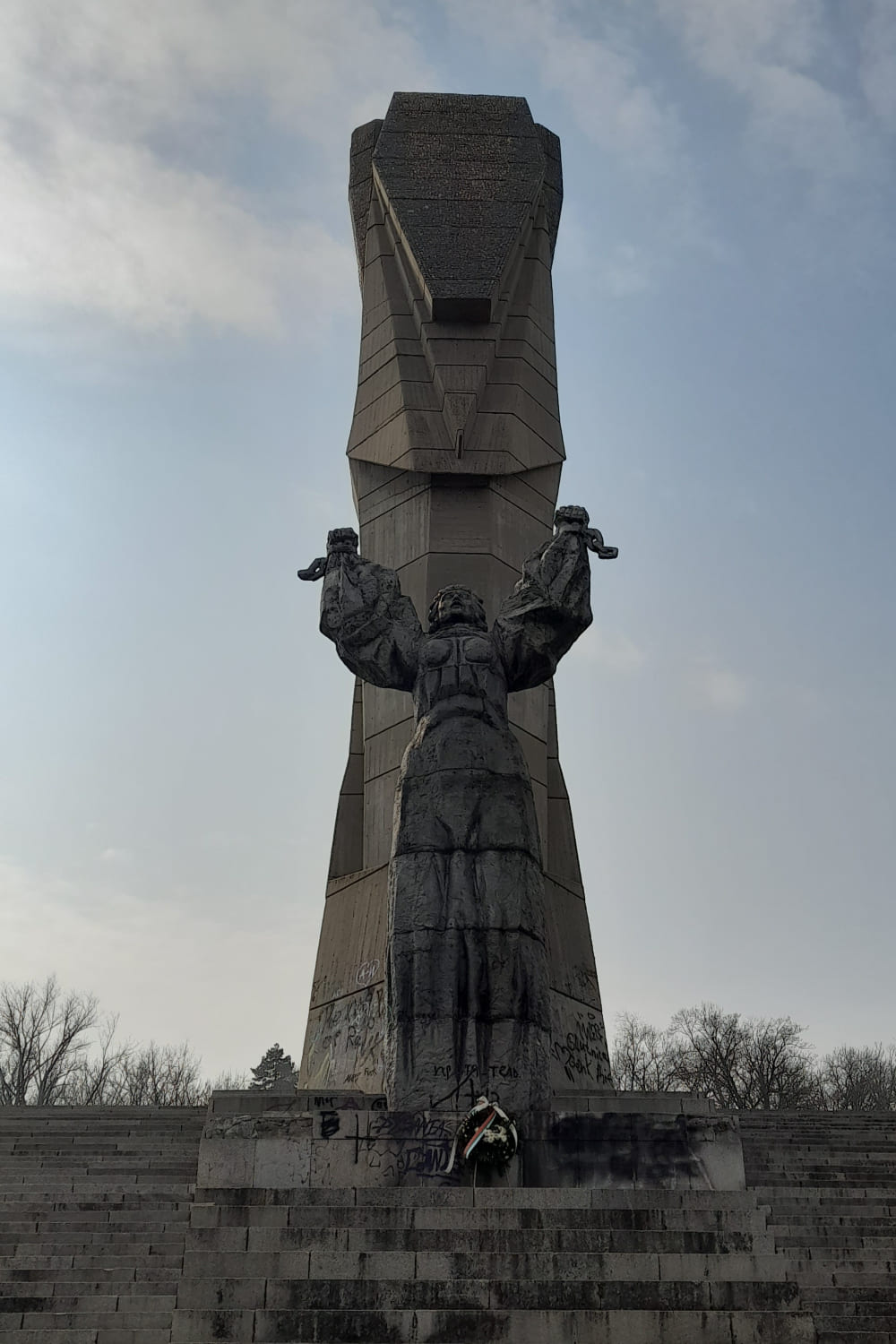
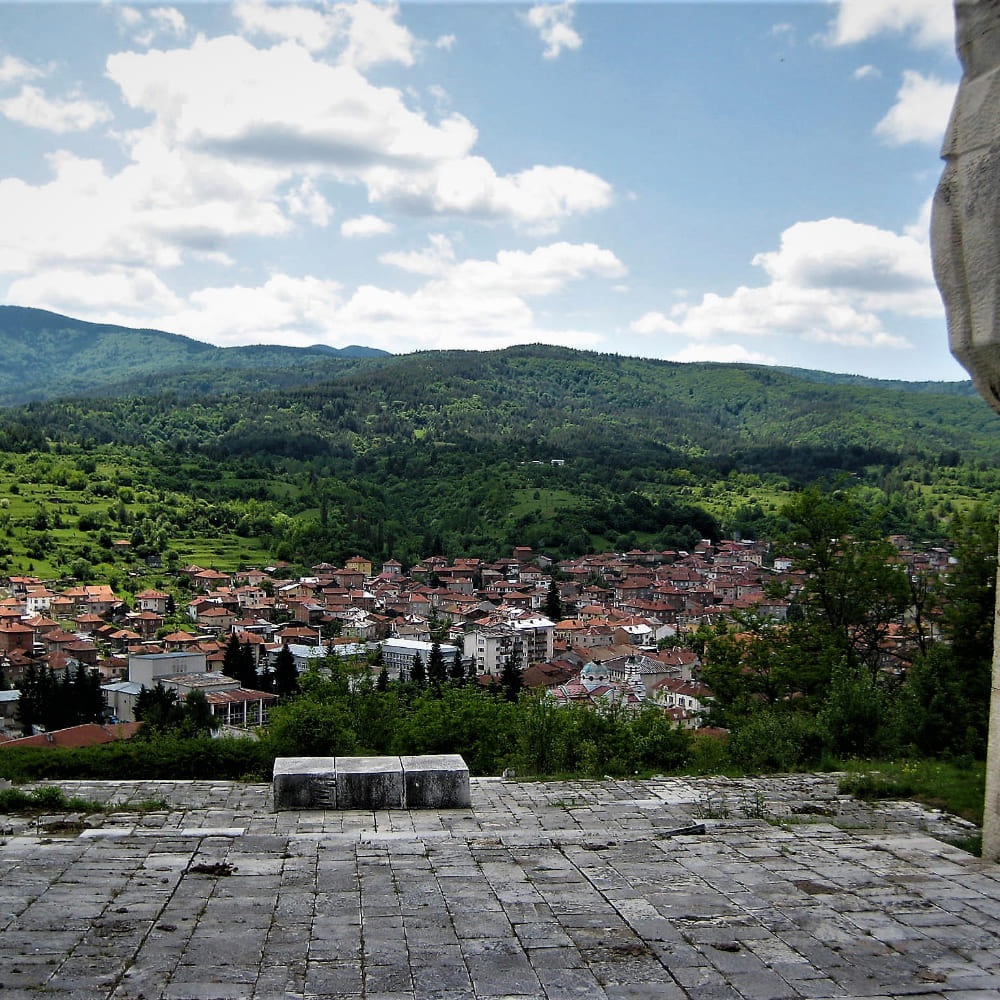
The Pazardzhik region, nestled in southwestern Bulgaria, offers a fascinating journey into communist history through its emblematic towns and sites, notably Batak and Peshtera.
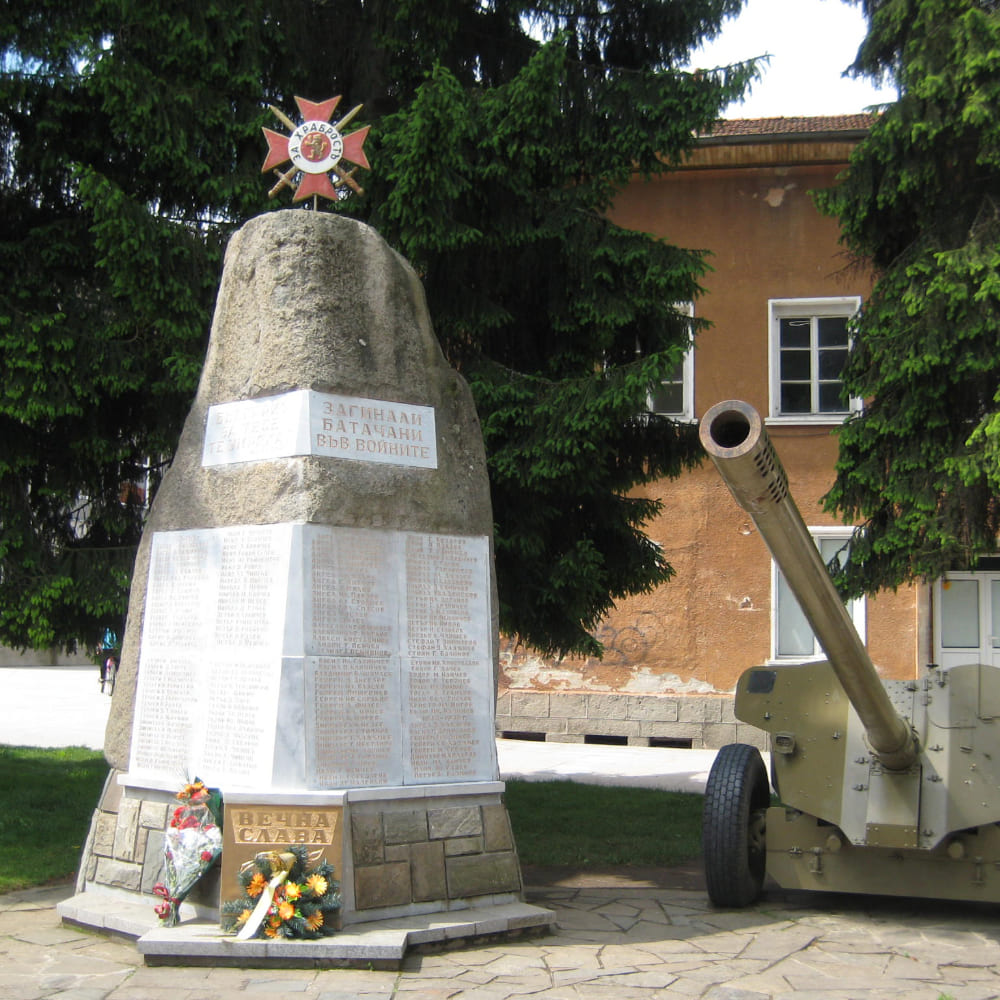
Although Batak is mainly known for its heroic past in the struggle against the Ottoman Empire, the communist period (1944–1989) also left visible marks, such as monuments and agricultural cooperatives.
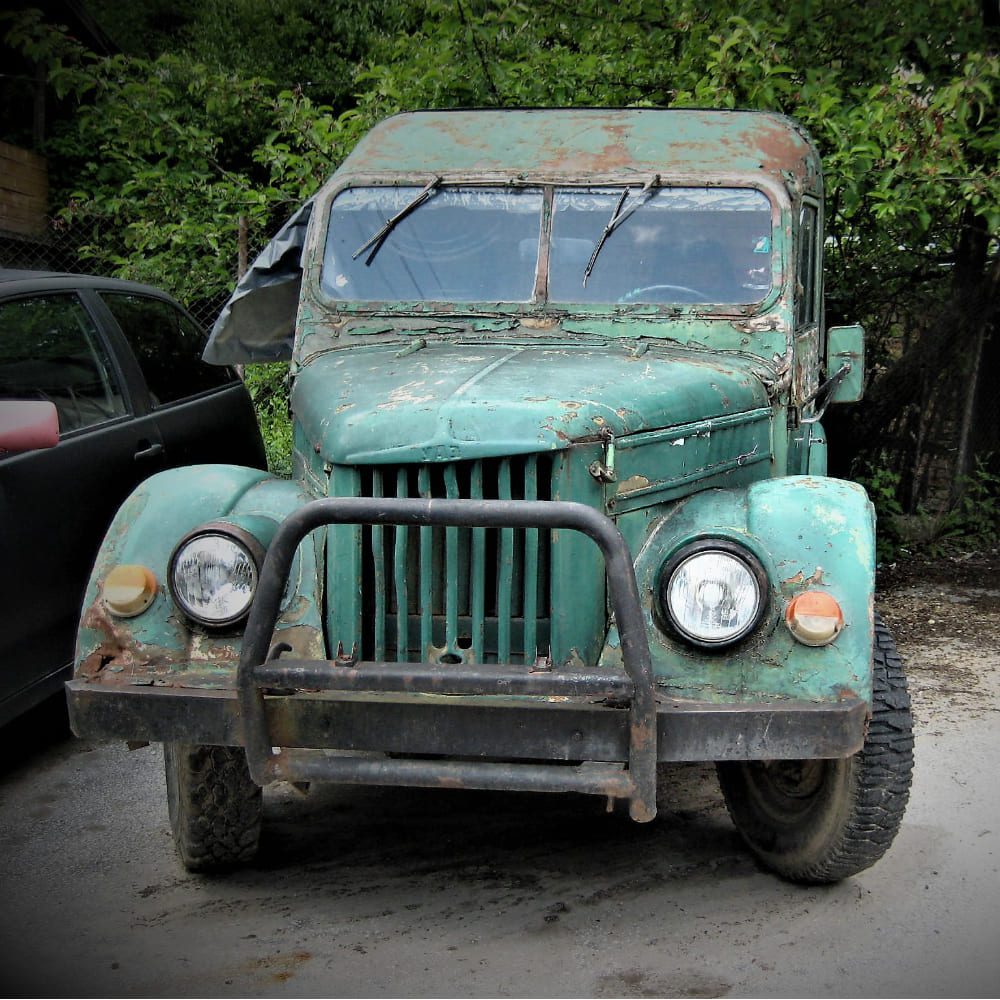
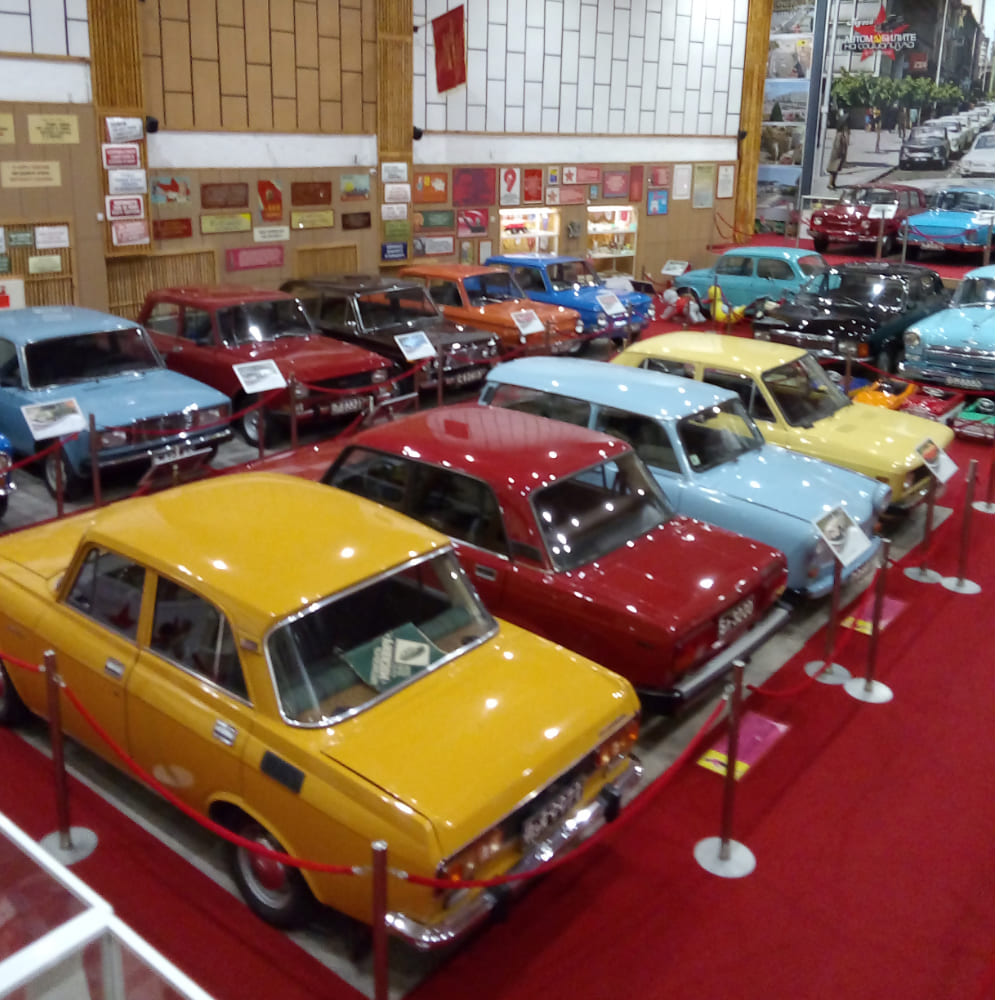
Peshtera, a nearby town, stands as a living testimony to communist popular and social culture, particularly through its Retro Museum.
More broadly, the region reflects the profound economic and social transformations of communism, with collectivized agriculture, strengthened local industries, and urban planning influenced by socialist ideals. Local museums, monuments, and territorial organization allow visitors to understand the ambitions and realities of the regime in this part of Bulgaria.
Exploring Batak, Peshtera, and the Pazardzhik region through the lens of communism is thus an opportunity to discover a blend of historical memory, architectural and cultural heritage, and everyday experiences that reflect this defining period.
Vratsa Region
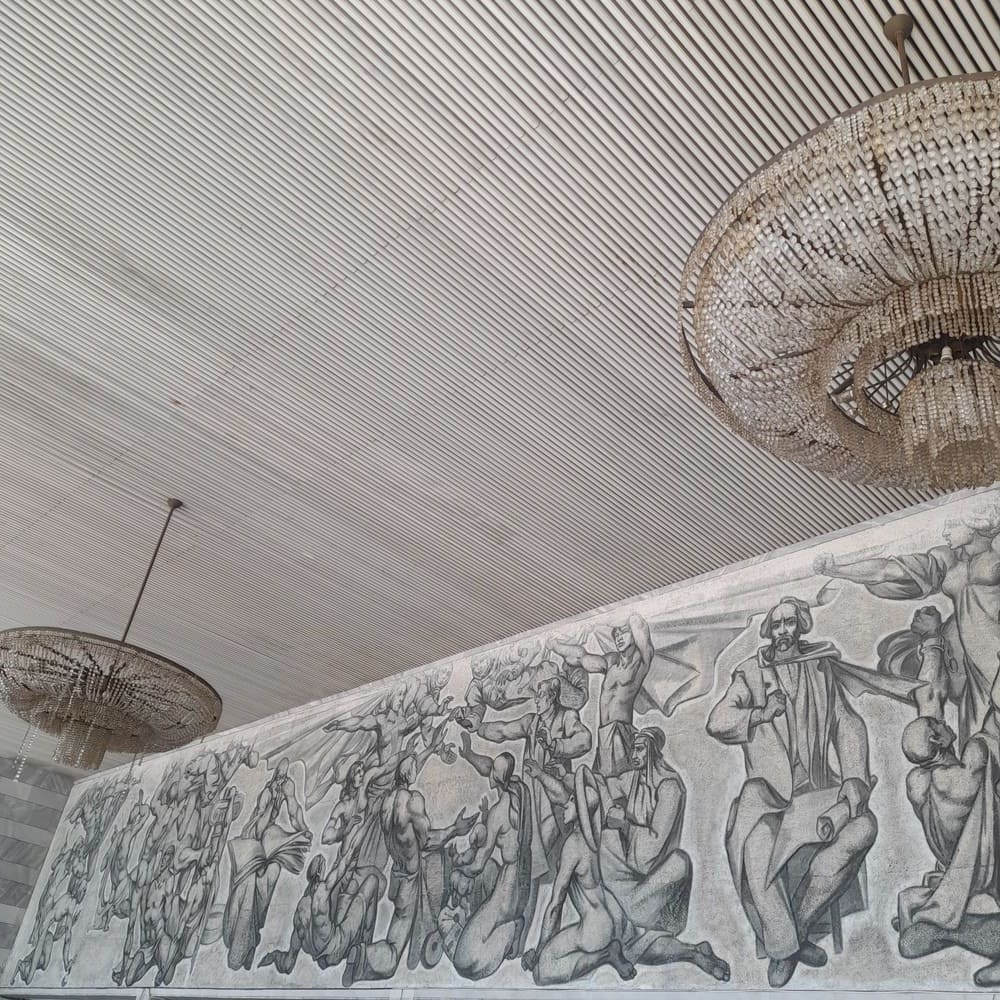
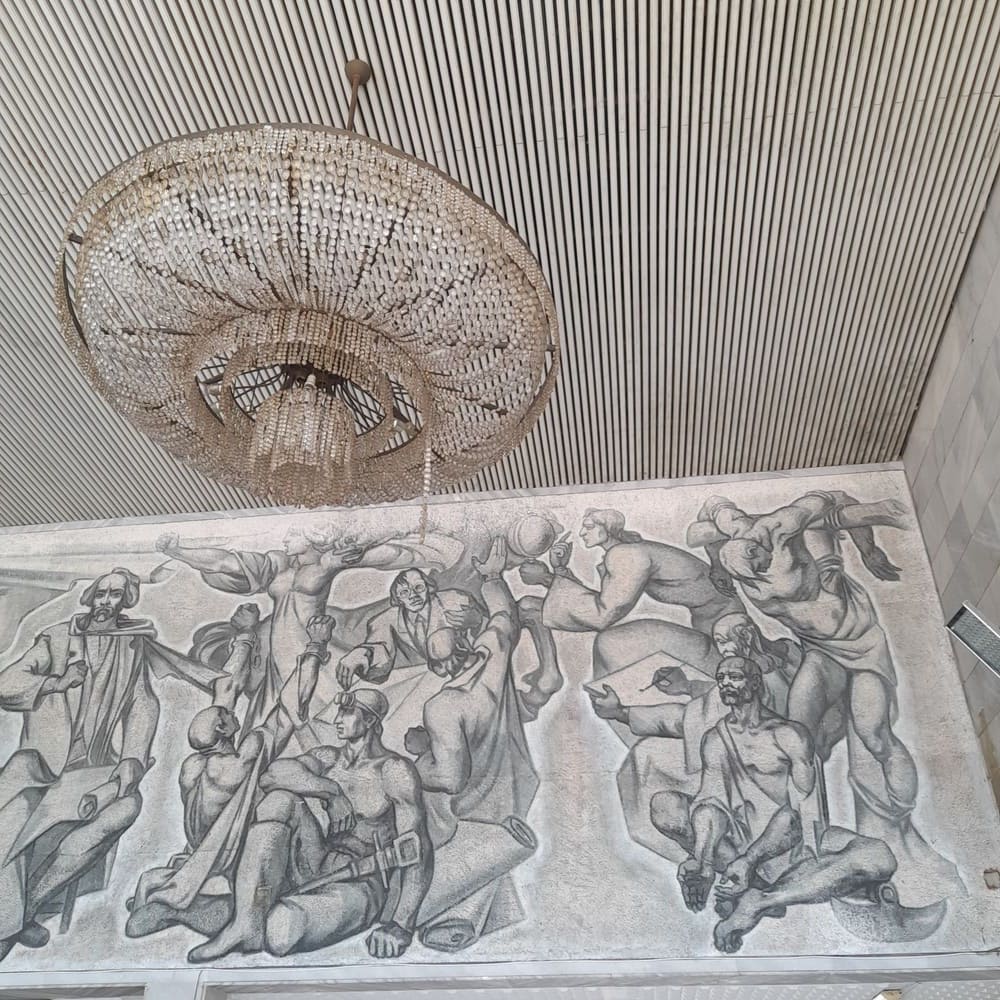
The Vratsa region, located in northwestern Bulgaria, boasts a rich industrial and cultural heritage linked to the communist period (1944–1989). The city of Vratsa, the regional capital, is a key center where this legacy is especially visible—most notably through a remarkable mural in its railway station.
Montana Region
Located in northwestern Bulgaria, the city of Montana (formerly known as Mihaylovgrad during the communist period) is an excellent entry point for exploring the social, industrial, and cultural transformations of the socialist era (1944–1989).
In 1945, the city was renamed Mihaylovgrad in honor of Hristo Mihaylov, a local communist partisan. This renaming reflected the regime’s broader policy of reshaping public space to reflect its ideals and heroes. The city only regained its ancient name, Montana, in 1993, after the fall of the regime.
Exploring Montana through the lens of communism means discovering a city shaped by socialist ideology, where every building and street still bears traces of a period that deeply influenced modern Bulgaria.